

 RU
 UA
 DE
 FR
 ES
 CN
 SA
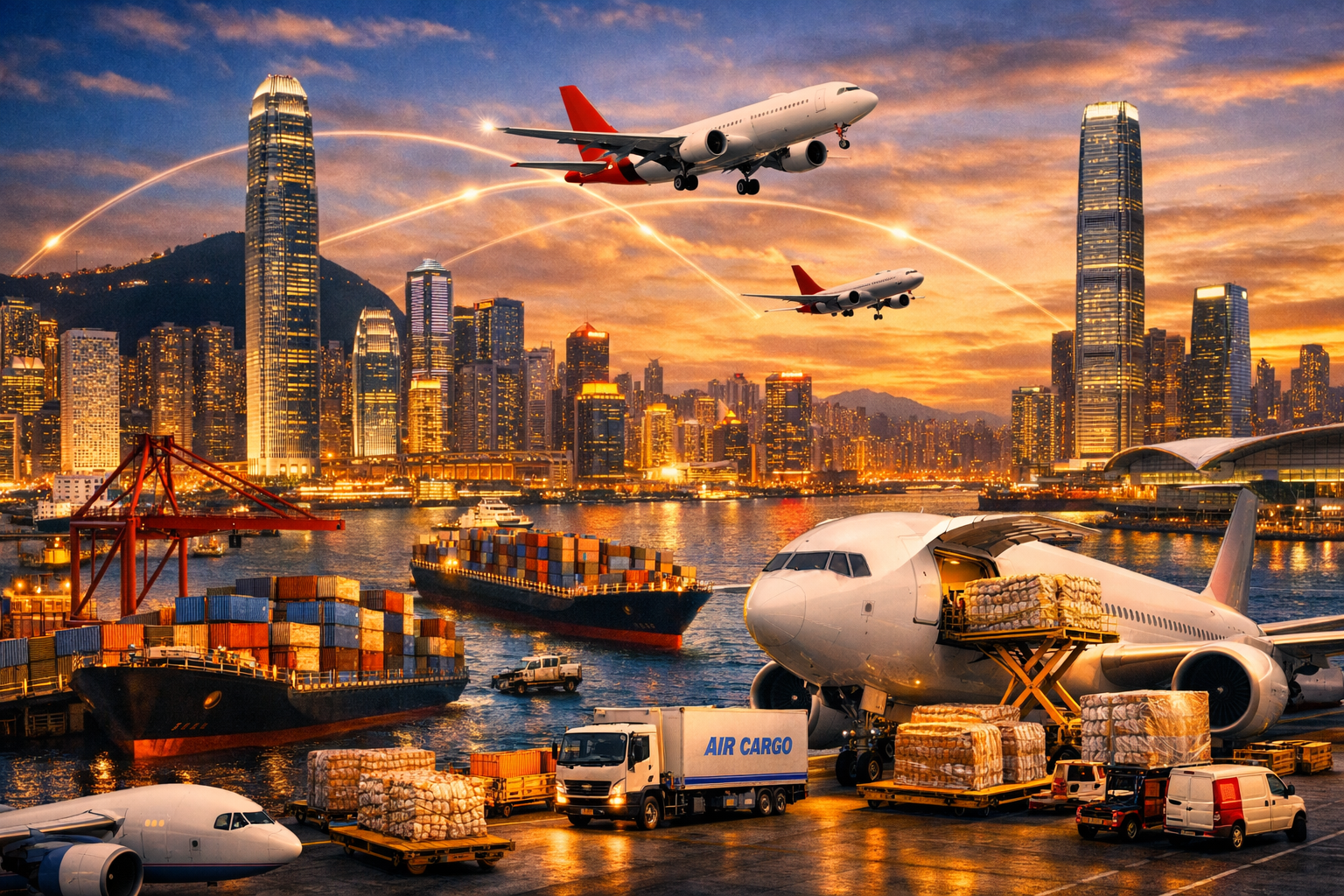
Logistics Outsourcing
Logistics Outsourcing: How 3PL Services Help Businesses Manage Supply Chains
The modern market imposes increased demands on companies. Customers want to receive orders quickly, suppliers require precise planning, and businesses need to simultaneously reduce costs, maintain a high level of service, and stay competitive. In such conditions, logistics ceases to be merely a supportive function. It becomes an essential part of the business model, directly influencing sales, profits, customer loyalty, and company growth.
One of the most sought-after solutions is logistics outsourcing, or the transfer of logistics operations to a specialized operator. In international practice, such companies are often referred to as 3PL – Third Party Logistics, meaning logistics performed by a third party. A 3PL operator can take on warehousing, transportation, order fulfillment, packaging, labeling, returns, inventory management, and other processes.
Outsourcing logistics allows businesses to focus on key areas: production, marketing, sales, product development, and customer relations. At the same time, the company gains access to infrastructure, technologies, and expertise that are difficult and costly to develop independently.
What is Logistics Outsourcing and 3PL Services
Logistics outsourcing is the transfer of part or all of the operations related to the movement, storage, and processing of goods to an external specialized organization. The client enters into a contract with the logistics operator, who organizes the execution of the agreed processes and is responsible for their quality within established limits.
3PL services represent a comprehensive logistics service for businesses. Unlike a regular carrier, a 3PL operator is not limited to transporting cargo from one point to another. They can participate in managing the entire supply chain: from receiving goods at the warehouse to delivering the order to the end customer.
The main tasks of a 3PL provider include:
receiving and placing goods in the warehouse;
storing products;
address management of warehouse inventory;
order assembly and fulfillment;
packaging and repackaging;
applying labels, barcodes, and markings;
organizing transportation;
delivery to stores, pickup points, and customers;
processing returns;
inventory management;
preparing reports;
integration with accounting and trading systems;
monitoring deadlines and quality of operations.
For businesses, a significant advantage is the unified area of responsibility. If a company works independently with several carriers, rents a warehouse, hires staff, and uses disparate programs, management becomes complicated. By engaging a 3PL operator, many processes are consolidated into one system.
Difference Between 3PL and a Regular Transportation Contractor
A transportation company typically performs a specific service – transporting goods. A 3PL operator acts more broadly. They can plan logistics, manage the warehouse, organize order processing, and control the movement of products at various stages.
For example, an online store needs more than just delivering packages. It requires receiving goods from suppliers, placing them in the warehouse, timely updating inventory, assembling orders, including documents, handing over shipments to carriers, and processing returns. All these tasks can be performed by a 3PL provider.
Thus, a transportation company solves the separate task of delivery, while a 3PL operator provides a comprehensive logistics solution. This is why logistics outsourcing is particularly in demand among companies that are rapidly growing, expanding their product range, or entering new regions.
Formats of Interaction with a Logistics Operator
Outsourcing can be partial or full. In a partial model, the business transfers only specific operations to an external contractor. For example, the warehouse remains with the company, while transportation and delivery are delegated to the operator. Another option is to transfer only order fulfillment or returns processing.
In a full format, the 3PL operator manages most of the logistics chain. They provide the warehouse, personnel, equipment, transportation resources, information systems, and control tools. This format is convenient for companies that do not want to develop logistics infrastructure independently.
Collaboration terms are formed individually. They depend on the order volume, number of product items, storage requirements, delivery geography, seasonality, product characteristics, and the required level of service.
Why Does Business Need Logistics Outsourcing
Organizing logistics independently requires significant resources. Companies need to rent or build a warehouse, purchase equipment, hire staff, implement software, find transportation contractors, and establish a control system. Additionally, logistics requires constant management: planning loads, monitoring inventory, analyzing expenses, and quickly responding to changes in demand.
Outsourcing logistics allows for a reduction in internal tasks and lessens the burden on management. Businesses gain access to ready-made infrastructure and a professional team that specializes in operational activities.
Reducing Logistics Costs
One of the main arguments in favor of 3PL services is cost optimization. A logistics operator serves multiple clients simultaneously, allowing for more efficient use of warehouse space, transportation, and personnel. Expenses are distributed across projects, often making these services more cost-effective than maintaining one's own infrastructure.
With in-house logistics, a company incurs ongoing costs:
warehouse rent;
utility payments;
equipment maintenance;
wages for warehouse and transportation staff;
software expenses;
repair and maintenance of equipment;
insurance;
downtime of facilities and transportation.
With outsourcing, a significant portion of expenses shifts to a variable model. The company pays for the services actually rendered: storage, pallet handling, order assembly, delivery, or returns. This is especially convenient during periods of unstable demand and seasonal fluctuations.
Scaling the Business
An in-house logistics system often becomes a limitation for growth. If order volumes increase, companies must urgently expand their warehouses, hire workers, and increase their fleet. Such processes require time and investment.
A 3PL operator has ready resources and can adapt more quickly to increased loads. If necessary, they can add additional space, shifts, transportation, or distribution centers. This allows businesses to expand sales without a proportional increase in administrative expenses.
Outsourcing is particularly beneficial for online stores, manufacturers, distributors, and retail chains that operate in highly seasonal conditions. During peak demand periods, the operator increases capacity, and after the season ends, the company does not incur costs for idle resources.
Improving Customer Service Quality
The speed and accuracy of delivery directly impact customer satisfaction. Errors in order picking, damaged packaging, delays, and lack of information about order status lead to complaints and cancellations.
A professional 3PL operator employs regulations, control procedures, and digital tools. Orders are processed according to established standards, and customers have the ability to track their shipments. Improving logistics quality helps enhance loyalty and increase the likelihood of repeat purchases.
Warehouse Logistics in the 3PL System
The warehouse is one of the key elements of the supply chain. Its role is not only to store goods. A modern warehouse ensures receiving, placement, sorting, order picking, consolidation, and shipping of products. The efficiency of warehouse logistics affects order fulfillment speed and inventory accuracy.
A 3PL operator can provide various types of warehouse space: standard dry warehouses, temperature-controlled zones, facilities for goods with special requirements, responsible storage areas, and sections for handling returns.
Receiving and Placing Goods
The process begins with preliminary planning of the delivery. The operator coordinates the date and time of arrival, the number of packages, product specifications, and accompanying documents. This preparation helps avoid queues and congestion in the receiving area.
Upon arrival, the goods are checked for quantity and condition. If necessary, serial numbers, batches, expiration dates, and labeling are verified. Then, the products are placed in the warehouse considering dimensions, turnover, and storage requirements.
Proper placement reduces the time spent searching for goods and speeds up order assembly. Fast-moving items are located closer to the picking area, while bulky or rarely requested products are placed in appropriate sections.
Inventory Management
Inventory management includes monitoring the quantity of goods, storage durations, batches, and product movement. Errors in accounting can lead to shortages, excess inventory, freezing of working capital, and unfulfilled orders.
3PL operators utilize warehouse management systems — WMS. Such solutions allow for the recording of every operation, assigning storage locations to products, controlling movements, and automatically generating tasks for employees.
WMS helps to:
view current inventory levels;
reduce the number of errors;
monitor expiration dates;
speed up inventory counts;
track employee actions;
analyze warehouse utilization;
plan the placement and selection of goods.
For the customer, this means more transparent inventory management and the ability to receive timely reports without the need for constant presence in the warehouse.
Picking, Packing, and Labeling
After receiving an order, the operator generates a task for picking the products. The warehouse employee collects the items, checks the quantities, and hands over the order for packing. Depending on the requirements, different materials are used: boxes, bags, protective inserts, pallets, and special containers.
Additional services may include applying labels, inserting promotional materials, assembling kits, repackaging, and preparing products for sale. Such operations are particularly in demand among manufacturers, marketplaces, and online stores.
Quality packaging reduces the risk of product damage during transportation and enhances customer satisfaction. Moreover, proper labeling simplifies sorting and processing of shipments at subsequent stages of the supply chain.
Transportation Logistics and Delivery
Transportation logistics is responsible for the movement of goods between suppliers, warehouses, stores, pickup points, and end recipients. Its effectiveness is determined not only by delivery speed but also by transportation costs, route reliability, cargo safety, and the quality of information support.
A 3PL operator can organize delivery using various modes of transport: road, rail, air, or multimodal. The choice depends on the distance, urgency, cargo characteristics, and budget.
Route Planning
Routing helps to reduce mileage, the number of empty trips, and transportation costs. When planning, delivery addresses, time windows, entry restrictions, vehicle dimensions, road conditions, and recipient requirements are taken into account.
Modern software helps to build optimal routes and quickly adjust them when conditions change. As a result, transport is used more efficiently, and orders are delivered with less time expenditure.
Last Mile
The last mile is the final stage of delivering the product to the customer. This segment often incurs the highest costs, as it requires servicing a large number of disparate addresses. Additionally, customers expect precise adherence to time intervals and convenient ways to receive their orders.
A 3PL operator can offer courier delivery, transfer to a pickup point, shipment via parcel lockers, or delivery to stores and distribution centers. The choice of format depends on the target audience and the company's business model.
Effective organization of the last mile helps to reduce the number of failed deliveries, decrease the rate of refusals, and increase customer satisfaction.
Delivery Control and Cargo Tracking
Information transparency has become an essential part of modern logistics. The customer must understand where the product is, when it was accepted by the carrier, and at what stage a delay occurred.
For this purpose, monitoring systems, electronic documents, shipment statuses, GPS tracking, and integrations with customer platforms are used. Clients can receive delivery data automatically, while managers can quickly identify deviations and take action.
Supply Chain Management
The supply chain encompasses all processes related to the movement of raw materials, components, finished products, information, and financial resources. It includes suppliers, manufacturers, warehouses, transportation companies, stores, marketplaces, and end customers.
Effective supply chain management requires coordinated work among all participants. If one segment operates with delays, it affects the entire system. For example, a late delivery to a warehouse can halt production, while an inventory accounting error can lead to customer refusals.
The Role of 3PL in the Supply Chain
The logistics operator can act as a coordinator among various participants. They receive the goods, organize storage, plan shipments, monitor carriers, and deliver the order to the recipient.
At the same time, a 3PL provider does not necessarily manage the entire supply chain in a strategic sense. However, it ensures the stable operation of key operational processes, provides analytics, and helps the client make decisions based on current data.
Integration of Information Systems
Data exchange utilizes ERP, WMS, TMS, CRM, e-commerce systems, and API integration. The connection between platforms allows for automatic order transmission, inventory updates, document generation, and delivery status notifications.
Integration reduces the number of manual operations and minimizes the risk of errors. For example, after placing an order in an online store, the data can automatically be sent to the warehouse system. Once the order is assembled, it receives a readiness status, is then transferred to the carrier, and the delivery information is returned to the seller's system.
How to Choose a 3PL Operator
The choice of a logistics partner should be based not only on the cost of services. A low price may turn out to be disadvantageous if the operator makes mistakes, delays shipments, or does not provide transparent reporting.
Before signing a contract, it is essential to study the company's experience, infrastructure, technologies, and service conditions.
Main Selection Criteria
Important criteria include:
experience in the relevant industry;
availability of suitable warehouses;
geographic coverage;
list of warehousing and transportation services;
integration capabilities;
level of automation;
staff qualifications;
quality control system;
return handling conditions;
availability of insurance;
transparency of rates;
readiness for scaling;
reputation and customer reviews.
If the company sells food products, cosmetics, pharmaceuticals, or goods with special storage conditions, it is necessary to ensure that the operator meets industry requirements.
Rate Analysis
The cost of 3PL services typically consists of several components. Storage, receiving, picking, packing, labeling, transportation, returns, and additional operations may be calculated separately.
It is important to clarify in advance:
the unit of charge;
minimum order volume;
cost of handling non-standard operations;
conditions for downtime payment;
rates for urgent requests;
price revision procedures;
any additional fees.
For an objective comparison, it is advisable to analyze not just the individual rate but the total logistics cost per unit of order or product.
Test Launch
Before fully transitioning to outsourcing, it is recommended to conduct a pilot project. At this stage, you can check processing speed, picking accuracy, integration performance, packaging quality, and actual operation costs.
The pilot allows you to identify weaknesses before scaling and agree on performance metrics. If the results meet expectations, the collaboration can be expanded.
Economic Efficiency of Outsourcing
The economic effect of outsourcing logistics depends on the business structure. In some cases, the main benefit is related to reducing direct costs, while in others, it is linked to accelerating growth, reducing errors, and freeing up management resources.
To assess effectiveness, it is necessary to consider the total logistics cost. This includes not only payments to the contractor but also expenses for personnel, warehousing, equipment, software, transportation, management, and error correction.
Key Metrics to Analyze
Key metrics may include:
cost of processing one order;
cost of storing one unit of product;
picking accuracy;
order processing time;
percentage of on-time deliveries;
damage rate;
number of returns;
deficit percentage;
inventory turnover;
warehouse space utilization;
employee productivity;
cost of delivery per unit of product.
Comparing metrics before and after switching to 3PL allows for evaluating the actual results. It is important to analyze data over comparable periods and consider seasonality.
Direct and Indirect Effects
The direct effect is expressed in reduced costs for warehousing, transportation, personnel, and equipment. The indirect effect is related to improved customer service, reduced error rates, and faster entry into new regions.
For example, a company can not only reduce storage costs but also shorten delivery times. This can lead to an increase in repeat orders and higher sales. Therefore, the effectiveness of outsourcing should be evaluated not only by accounting metrics but also by its impact on the business as a whole.
Risks and Limitations of Logistics Outsourcing
Despite the advantages, outsourcing logistics to an external operator comes with certain risks. The company partially loses direct control over operations and becomes dependent on the partner's quality of work.
The main risks include:
delivery delays;
errors in order fulfillment;
product damage;
non-compliance with storage conditions;
insufficient data transparency;
integration issues;
rate increases;
capacity shortages during peak seasons;
dependency on a single supplier;
difficulties in contract termination.
How to Mitigate Risks
To protect the client's interests, it is essential to clearly outline the terms of cooperation. The contract should specify the list of services, timelines, responsibilities of the parties, compensation procedures, quality requirements, complaint handling rules, and termination conditions.
It is also recommended to establish an SLA – Service Level Agreement. This should include specific metrics: accuracy of order picking, order processing time, percentage of on-time deliveries, acceptable damage levels, and response time to inquiries.
Additional protective measures include regular audits, backup routes, duplication of critical processes, and having alternative contractors.
The Future of the Logistics Services Market
The logistics market is evolving under the influence of e-commerce, the increasing number of orders, the expansion of marketplaces, and rising customer expectations. Businesses require faster, more flexible, and transparent delivery.
One of the main trends is automation. Warehouses are equipped with conveyors, sorting lines, robotic systems, and intelligent management software. Automation helps increase productivity and reduce errors.
Demand forecasting technologies are also developing. Based on historical data, seasonality, and customer behavior, companies can plan inventory and warehouse capacity in advance.
Digitalization of Logistics
Digital platforms consolidate data on orders, inventory, transportation, and returns. The client gains a unified view of product movement and can manage logistics remotely.
In the future, the importance of artificial intelligence, machine learning, and big data analytics will increase. These technologies help select optimal routes, predict delays, detect anomalies, and calculate inventory needs.
Sustainability and Eco-Friendliness
Environmental requirements are also becoming an important part of logistics strategy. Companies optimize routes, reduce empty runs, use recyclable packaging, and implement more economical modes of transport.
Eco-friendly logistics not only helps reduce environmental impact but also enhances brand reputation. Customers are increasingly paying attention to how a company organizes packaging, delivery, and returns.
Logistics outsourcing and 3PL services allow businesses to transfer warehousing, transportation, and related processes to a professional operator. This gives the company access to ready-made infrastructure, technologies, and expertise without the need to create a complex logistics system independently.
Well-organized outsourcing helps reduce costs, speed up order processing, improve delivery quality, enhance inventory management, and ensure business scalability. This solution is particularly relevant for online stores, manufacturers, distributors, retail chains, and companies working with marketplaces.
However, the outcome depends on the right choice of contractor, the quality of integration, and the accuracy of obligations outlined in the contract. Before starting cooperation, it is necessary to define goals, calculate economics, agree on performance metrics, and conduct a pilot launch.
In a rapidly changing market, effective logistics becomes a strategic advantage. A 3PL operator helps businesses make supply chains more manageable, flexible, and transparent, thereby increasing competitiveness and ensuring sustainable growth.