

 RU
 UA
 DE
 FR
 ES
 CN
 SA
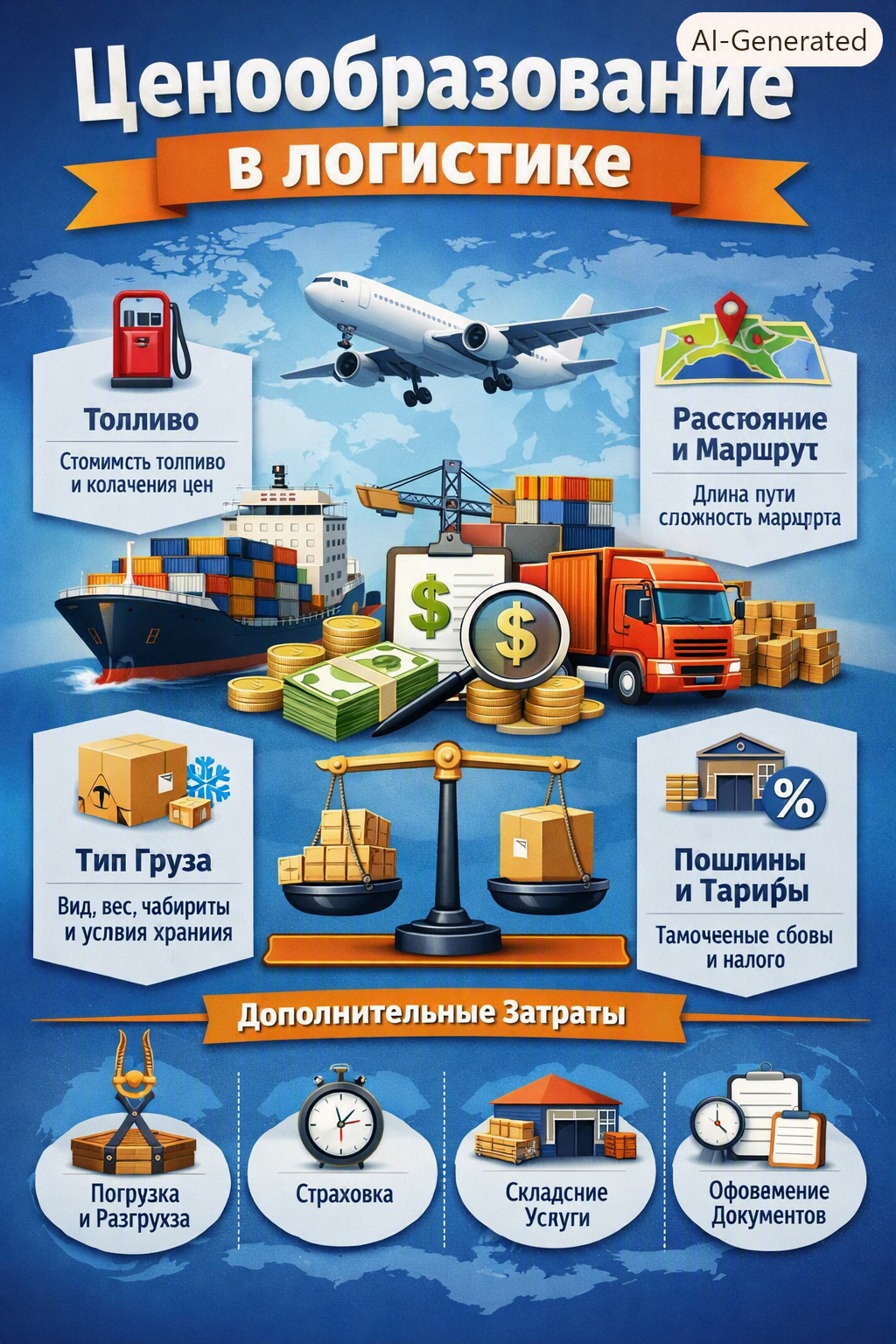
Pricing in Modern International Logistics
Dynamic Pricing in Modern International Logistics
International logistics is gradually shifting from fixed tariff grids to more flexible pricing models for transportation costs. One of the main tools for this transformation is dynamic pricing. Its purpose is to determine the cost of delivery based on current demand, available transport capacities, routes, seasons, fuel costs, terminal congestion, and other factors that are constantly changing.
The traditional approach involves using pre-approved tariffs. For example, a carrier sets a base cost for transporting a container between two ports for a month or a quarter. However, in the context of unstable international trade, this method often proves to be insufficiently accurate. The price may not reflect the actual cost of the trip, the level of transport utilization, or changes in the market situation. As a result, the carrier risks losing profit, while the client may face unexpected surcharges and delays.
Dynamic logistics tariffs allow for more flexible calculations. They are formed based on a large amount of data and can change almost in real-time. Factors such as fuel costs, exchange rates, port fees, availability of free space, seasonal demand for transportation, weather conditions, route restrictions, and even geopolitical risks are taken into account.
What is Dynamic Pricing in Logistics
Dynamic pricing in logistics is a tariff calculation model where the cost of transportation changes depending on current market conditions. Unlike a fixed price list, the dynamic system considers the specific situation for each order and offers a price that closely aligns with actual costs and the market value of the service.
This approach is widely used in maritime, air, road, and rail transport. Its influence is particularly noticeable in the international shipping segment, where delivery costs depend on numerous variables. The same container route can have different prices depending on the shipping date, vessel load, availability of free containers, and the state of port infrastructure.
Main Features of Dynamic Logistics Tariffs
Key features of dynamic pricing include:
regular updates of transportation costs;
use of analytical models and big data;
consideration of actual demand for transportation;
automatic recalculation of fuel and port surcharges;
tariff dependence on order urgency;
personalization of offers for different clients;
ability to forecast future price changes.
The tariff can consist of several components. The base rate reflects the actual transportation of the cargo. Additionally, fuel surcharges, port fees, handling costs, insurance, customs clearance, storage, and delivery to the final recipient are calculated.
How the Dynamic Model Differs from the Fixed Model
A fixed tariff is convenient due to its simplicity. The client understands the approximate cost of transportation in advance and can plan their budget. However, such a tariff quickly becomes outdated if fuel prices, exchange rates, or demand change. For the carrier, this means the need to build in a significant margin to compensate for potential risks.
The dynamic model allows for more frequent updates of costs and a more accurate reflection of the current situation. If demand in a particular direction decreases, the carrier can lower the price to attract additional orders. If there are insufficient free capacities, the tariff increases to compensate for the increased load on infrastructure and transport.
What Factors Affect the Cost of International Transportation
The price of international delivery consists of many components. An error in estimating even one of them can lead to losses, delays in calculations, or conflicts among supply chain participants. Therefore, modern logistics companies use comprehensive models that analyze not only direct costs but also indirect risks.
Demand for Transportation and Availability of Transport Capacities
Demand for transportation is one of the main factors in dynamic pricing. During periods of active trade, companies increase their export and import volumes. This leads to a shortage of containers, trucks, rail platforms, and warehouse spaces. Carriers receive more requests, and the cost of delivery begins to rise.
Seasonality is particularly noticeable before major holidays, during sales preparation periods, and during peak consumer demand. For example, companies may ship goods in advance of the New Year season, which increases the load on seaports, air terminals, and road crossings.
When demand falls, carriers strive to stimulate cargo loading. To achieve this, discounts, special conditions for unpopular dates, and reduced rates for flexible shippers are offered.
Fuel Costs and Energy Surcharges
Fuel constitutes a significant portion of transportation costs. This is especially evident in road, sea, and air logistics. An increase in oil prices or changes in diesel fuel prices directly affect delivery costs.
Fuel surcharges are used to account for such changes. They can be reviewed weekly, monthly, or when a certain price threshold is reached. Some contracts include a formula linking the surcharge amount to the average market fuel price.
In modern digital logistics, such calculations can be performed automatically. The system receives data on current prices, compares them to a baseline level, and recalculates the final rate. This enhances the transparency of calculations and allows the client to understand why the delivery cost has changed.
Route, Distance, and Infrastructure Limitations
The price of transportation depends on the length of the route, the number of transshipments, and the characteristics of the transport infrastructure. A direct route is usually cheaper and faster than one with multiple intermediate terminals. However, direct connections are not always available.
The tariff is influenced by:
port and border crossing closures;
terminal congestion;
road and railway repairs;
the need to detour around hazardous areas;
changes in shipping routes;
weight and size restrictions;
shortages of warehouses and containers.
If a carrier is forced to change the route, expenses for fuel, labor, insurance, and cargo handling increase. Therefore, dynamic pricing helps to promptly reflect these changes in the commercial offer.
The Role of Digital Logistics in Tariff Formation
Digital logistics creates a technological foundation for dynamic transportation cost calculations. Modern platforms integrate data from carriers, freight forwarders, ports, warehouses, customs authorities, and clients. This allows the company to gain a more comprehensive view of cargo movement and make faster decisions.
Big Data and Demand Forecasting
Analysis utilizes information about past shipments, seasonal fluctuations, route load, changes in cargo flows, and customer behavior. Algorithms compare historical data with the current situation and forecast potential demand.
For example, if the system detects an increase in requests for a specific route, it may recommend raising the rate in advance or offering the client an alternative shipping date. If a decrease in load is expected, the carrier has the opportunity to create special offers.
Forecasting allows not only for price adjustments but also for proactive resource management. The company can rent additional containers, redistribute transport, change flight schedules, or reroute cargo through another terminal.
Artificial Intelligence and Machine Learning
Machine learning is used to identify patterns that are difficult to detect manually. Algorithms analyze the impact of various parameters on cost and the likelihood of delays. As a result, the system can calculate not just one, but several tariff models with different risk levels.
For example, the client can be offered:
an economical route with a longer delivery time;
a standard option with an optimal price-speed ratio;
an expedited shipment at a higher rate.
Artificial intelligence also helps detect anomalies. If the cost of a particular segment unexpectedly rises, the system checks for possible reasons: transport shortages, terminal closures, increased fees, or technical failures.
The Internet of Things and Cargo Monitoring
Sensors and telematics systems provide data on the location of transport, temperature, humidity, vibration, and the condition of the cargo. This information can be used to calculate additional services and manage risks.
For perishable goods, pharmaceuticals, and hazardous materials, the cost depends not only on distance but also on transportation requirements. The dynamic model takes into account the need for special equipment, storage condition monitoring, and increased insurance coverage.
Dynamic Pricing in Maritime Container Shipping
Maritime transport remains one of the key elements of international trade. Container shipping allows for the movement of large quantities of goods between continents; however, their costs can vary significantly even over a short period.
Factors Influencing Shipping Rates
In maritime shipping, the price of transportation is affected by:
availability of containers;
vessel loading;
port fees;
cost of bunker fuel;
seasonal peaks;
canal and infrastructure charges;
port congestion;
changes in maritime routes;
risks of delays;
currency exchange rates.
The base rate can be supplemented by numerous surcharges. These may include terminal handling fees, fuel adjustments, documentation fees, seasonal coefficients, and route change fees.
Why Maritime Rates Change Frequently
Maritime transport depends on the global balance of supply and demand. If the volume of cargo increases faster than the available fleet, carriers raise rates. Conversely, when there is an excess of vessels and a decline in trade volumes, rates may decrease.
Additional influences include weather conditions, restrictions in canals and straits, port worker strikes, and geopolitical events. Changes in routes can increase transit times and fuel costs, which are reflected in the final delivery price.
For cargo owners, this means the need to regularly reassess their logistics strategy. Sometimes it is more advantageous to enter into a long-term contract with fixed terms, while at other times it is better to use the spot market and choose the most favorable offer for a specific date.
Benefits of Dynamic Pricing for Businesses
Dynamic logistics rates provide advantages for both carriers and cargo owners. The main condition for effectiveness is transparent pricing rules and timely customer notifications.
Optimizing Delivery Costs
Clients can reduce shipping costs if they have flexibility in terms and routes. For example, sending cargo during periods of low demand often costs less. They can also choose a less congested port, consolidate multiple shipments, or use a multimodal scheme.
The dynamic system shows which parameters have the greatest impact on price. This allows decisions to be made based on specific calculations rather than rough estimates.
More Efficient Use of Transport
Carriers gain the ability to better allocate available capacity. Higher rates during peak periods compensate for increased costs, while lower prices during downturns help maintain transport utilization.
This approach reduces the number of empty trips and increases the profitability of the logistics network. Additionally, route optimization contributes to lower emissions and fuel consumption.
Increased Transparency
Modern digital platforms can display the tariff structure by individual components. Clients see the cost of the base freight, fuel expenses, handling fees, insurance, and additional services.
Transparency is especially important for international shipments, where the final price may include dozens of charges. Clear itemization reduces the risk of misunderstandings and helps in accurately planning budgets.
Risks and Drawbacks of the Dynamic Model
Despite the advantages, dynamic pricing requires careful management. If the system operates opaquely or changes rates too frequently, clients may perceive this as unpredictability and seek alternative suppliers.
Difficulty in Budget Planning
Variable shipping costs complicate the formation of long-term financial plans. This is particularly important for companies that work with fixed prices for their customers. Rising transportation costs can reduce margins or necessitate a review of retail prices.
To mitigate risk, companies use:
price corridors;
fixed tariff periods;
fuel formulas;
long-term contracts;
contingency budgets;
hedging against currency and fuel risks.
Dependence on Data Quality
The accuracy of dynamic rates depends on the data on which the model is based. If information about transport loading, fuel prices, or route conditions is outdated, the final calculation will be inaccurate.
Therefore, logistics companies need to invest in integrating information systems, automating data exchange, and ensuring the quality of reference data.
The Risk of Price Discrimination and Distrust
Personalized offers can be perceived ambiguously by customers. If two clients receive different prices without a clear explanation, it may raise doubts about the fairness of the calculations.
To avoid such issues, the carrier should describe the principles of tariff formation in advance. The client must understand which parameters affect the price and under what circumstances it may change.
How to Implement Dynamic Pricing in a Logistics Company
Transitioning to a dynamic model requires not only purchasing software but also changing internal processes. The company must prepare data, define calculation rules, and train employees.
Analysis of the Current Tariff System
First, it is necessary to study the existing tariffs, cost structure, and order history. It is important to identify which components change most frequently and which have the greatest impact on cost.
At this stage, manual operations, calculation errors, and areas lacking up-to-date information are also identified.
Data Collection and Integration
Data from transportation management, warehouse, order, and finance systems should be consolidated. Additionally, external sources are connected: fuel quotes, exchange rates, weather information, port congestion, and road conditions.
The more comprehensive the information base, the more accurate the dynamic calculation.
Formation of the Tariff Model
The model should take into account fixed costs, variable expenses, commercial margin, and risk level. Separate formulas may be applied for different routes.
It is necessary to determine:
the tariff update period;
minimum and maximum cost;
acceptable price change range;
discount application rules;
calculation method for surcharges;
conditions for fixing the tariff;
responsibility for data errors.
Testing and Gradual Launch
It is not recommended to immediately switch all routes to the new system. Initially, one route or a specific category of clients can be selected. The results obtained are compared with actual costs and previous tariffs.
After adjustments, the model is expanded to other segments. This phased approach reduces operational risks and helps employees adapt.
The Future of Dynamic Pricing in International Logistics
In the coming years, dynamic tariffs will evolve alongside digital platforms, artificial intelligence, and automated supply chains. Cost calculations will become faster, more detailed, and personalized.
Predictive Logistics
Predictive systems will be able to assess the likelihood of delays, transportation shortages, and demand surges in advance. This will allow not only for price adjustments but also for recommending the optimal shipping time to the client.
For example, the system may warn that a specific port is expected to be congested in two weeks and suggest sending the cargo earlier or choosing an alternative route.
Automation of Commercial Offers
The digital platform will be able to independently compare carrier offers, calculate the total delivery cost, and select the best option considering deadlines, risks, and budget.
Instead of manually requesting several quotes, the client will receive a ready-made selection of routes with a detailed cost structure.
Sustainability and Environmental Indicators
Environmental parameters are increasingly being included in tariff calculations. Clients can choose between standard transportation and options with a lower carbon footprint. A more environmentally friendly route may sometimes cost more, but it helps the company meet sustainability and corporate responsibility requirements.
In the future, the cost of logistics services will depend not only on speed and distance but also on emission volumes, fuel type, and the efficiency of the transportation used.
Dynamic pricing is becoming an essential element of modern international logistics. It allows for consideration of actual demand for transportation, changes in fuel costs, availability of transportation capacities, route congestion, and other factors that cannot be accurately reflected in a fixed price list.
For carriers, this model means more precise revenue management, a reduction in empty trips, and increased resource efficiency. For clients, it offers the opportunity to choose the optimal combination of cost, speed, reliability, and service level.
However, the successful implementation of dynamic logistics tariffs requires high-quality data, transparent rules, and modern digital infrastructure. Companies need to explain the cost structure to clients and clearly outline the conditions for its changes in advance.
In the future, digital logistics and international shipping will increasingly rely on automated data analysis, artificial intelligence, and predictive models. Shipping costs will become more flexible, and supply chain participants will have the ability to respond quickly to market changes. This is why dynamic pricing is gradually transforming from just an additional tool into one of the key mechanisms for managing international logistics.