

 RU
 UA
 DE
 FR
 ES
 CN
 SA
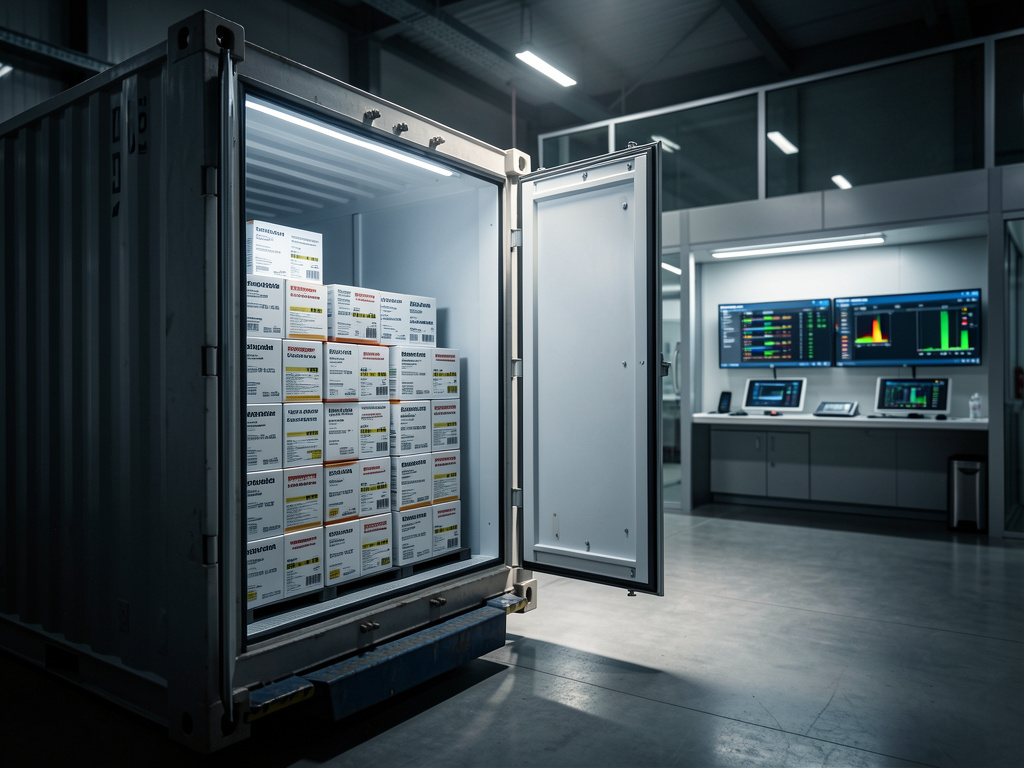
Cold Chain: Technology, Logistics, and Temperature Control
Cold Chain: Technologies, Logistics, and Temperature Control in Medicine and the Food Industry
The cold chain is an organized system for storing, transporting, and processing products under a specified temperature regime. Its primary task is to maintain the quality, safety, effectiveness, and consumer properties of goods at all stages of movement: from the manufacturer to the end recipient. The cold chain is particularly important in medicine, pharmaceuticals, the food industry, veterinary medicine, and biotechnology.
The term cold chain is used in international logistics and refers to continuous temperature control when handling heat-sensitive products. A breach of conditions, even for a short time, can lead to spoilage of products, reduced effectiveness of medications, loss of vaccine properties, or pose a threat to human health.
The modern cold chain includes refrigerated warehouses, refrigerated transport, thermal containers, isothermal packaging, temperature sensors, software, monitoring systems, and control regulations. All elements must work in harmony. If even one stage is organized incorrectly, the safety of the entire shipment may be at risk.
What is the Cold Chain and How Does It Work
The cold chain is a continuous sequence of operations in which products are kept within a specific temperature range. Unlike conventional logistics, it is not enough to simply deliver cargo from one point to another. It is essential to ensure stable conditions at every segment of the route, including loading, unloading, temporary storage, sorting, and transferring the goods to the recipient.
The temperature regime is determined by the characteristics of the specific products. Some goods require cooling, others need deep freezing, and certain medical products must be kept within a narrow range, for example, from +2 to +8 °C. Vaccines, biological samples, and certain medications may require temperatures below zero or even ultra-low temperature conditions.
Main Stages of the Cold Chain
A typical cold chain includes:
production or preparation of products;
initial cooling;
packaging and labeling;
delivery to the distribution center;
storage in a specialized warehouse;
order picking;
transportation to a pharmacy, store, medical facility, or other recipient;
receipt and inspection of the cargo;
placement of products in refrigeration equipment;
dispensing or further use.
At all stages, it is crucial to avoid sharp temperature fluctuations. Even if the average value is within the norm, a brief exceedance of the allowable level can affect the quality of the product. Therefore, monitoring should be continuous or regular, depending on the product requirements.
Why Continuity of Temperature Control is So Important
Temperature affects the chemical, biological, and physical properties of goods. Heating can accelerate oxidation processes, the proliferation of microorganisms, and the degradation of active substances. Improper freezing can alter the structure of products, damage packaging, create ice crusts, or disrupt the uniformity of the composition.
In pharmaceuticals, a breach of the cold chain can lead to a decrease in the concentration of the active ingredient. The medication may appear normal but may no longer provide the claimed effectiveness. This is why visual inspection is insufficient: documented temperature data is needed throughout the entire route.
The Cold Chain in Medicine and Pharmaceuticals
Medicine has particularly strict requirements for cold logistics. Medications, vaccines, serums, hormonal preparations, immunobiological agents, blood components, and laboratory samples can be extremely sensitive to temperature changes. For such products, not only the conditions at the time of delivery are important, but also confirmation that the allowable regime was maintained throughout the entire storage and transportation period.
The medical cold chain is built on regulatory documents, manufacturer instructions, pharmacopoeial requirements, and internal standards of the medical organization. Before transportation begins, it is necessary to determine the temperature range, the maximum allowable duration of transportation, packaging requirements, and the procedures to follow in case of an emergency.
Transportation and Storage of Medical Products
For the transportation of medical products, the following are used:
refrigerated vehicles;
isothermal containers;
thermal boxes;
cooling elements;
dry ice;
specialized pharmaceutical containers;
freezing units;
remote monitoring systems.
Packaging is selected based on the route, transit time, external temperature, cargo volume, and required temperature regime. It is important to consider that contact between the product and frozen cooling elements can be dangerous for medications that cannot be frozen. Therefore, protective pads, dividers, or phase change materials are placed between the cargo and the cooling source.
Vaccine Cold Chain
Vaccines are among the most sensitive medical products. Each vaccine has its own storage requirements. Some products require a temperature range of +2 to +8 °C, others can be stored at negative temperatures, while certain types must be transported under deep freezing conditions.
Organizing the vaccine cold chain includes:
receiving the product with packaging and temperature indicator checks;
placing it in a equipped cold storage chamber;
regular temperature logging;
avoiding overloading the refrigerator;
observing product compatibility rules;
preparing for transportation;
monitoring the time spent outside refrigeration equipment;
documenting all operations.
When a deviation is detected, the product cannot automatically be deemed suitable or unsuitable. It is necessary to document the event, isolate the batch, and inform the responsible specialist. A decision is made based on the manufacturer's instructions, the duration of the deviation, and the actual readings from the recording device.
Control in Medical Institutions
Hospitals, clinics, pharmacies, and laboratories must appoint responsible staff. They monitor the functionality of refrigerators, maintain temperature logs, check expiration dates, and ensure compliance with the FEFO principle, where products closest to expiration are used first.
Refrigeration equipment for medications should not be used for storing household products. Inside the chamber, free air circulation must be maintained, medications should not be placed too close to the walls, and ventilation openings should not be blocked. Thermometers, sensors, door seals, and emergency alert systems are regularly checked.
Cold Chain in the Food Industry
In the food sector, the cold chain is essential for preserving freshness, flavor, nutritional value, and microbiological safety of products. Cooling slows down the growth of bacteria and mold, reduces the speed of chemical reactions, and helps extend shelf life. However, cold does not eliminate all risks completely, so it must be combined with sanitary standards, proper packaging, and adherence to production technology.
Products requiring temperature control include meat, fish, dairy products, semi-finished products, frozen vegetables and fruits, cream-filled pastries, ready meals, chilled beverages, and certain types of fresh produce.
Temperature Regimes for Products
Different categories of goods have different conditions:
chilled meat requires stable cold without freezing;
fish and seafood need low temperatures and protection from moisture loss;
dairy products must be stored according to the manufacturer's requirements;
frozen products are kept at negative temperatures, usually within the limits set by technological standards;
ready meals require particularly careful monitoring due to the risk of rapid microbial growth;
fresh vegetables and fruits may need individual regimes, as excessive cold can deteriorate their quality.
It is important not only to maintain the required temperature but also to consider humidity, ventilation, product compatibility, and storage duration. For example, products with strong odors can affect neighboring items, and fruits that emit ethylene accelerate the ripening of other fruits and vegetables.
Transportation of Products
Refrigerated trucks, insulated vans, and containers with cooling units are used for product delivery. Before loading, the cargo area is cleaned, disinfected, and pre-cooled. Loading should be done quickly to minimize the time products spend at room temperature.
Products are placed in a way that allows cold air to circulate freely. Ventilation channels should not be completely blocked by boxes or pallets. It is also important not to mix products requiring different temperature regimes unless the vehicle has independent temperature zones.
During acceptance, the integrity of the packaging, the temperature inside the batch, the appearance of the product, expiration dates, and the presence of accompanying documents are evaluated. If signs of thawing, refreezing, leakage, or spoilage are detected, the product must be isolated until a decision is made.
Cold Chain Logistics
Cold logistics is highly complex as it requires the synchronization of transportation, warehouses, equipment, personnel, and information systems. Any delay along the route can lead to an increased exposure time to unfavorable temperatures. Therefore, planning must take into account not only the distance but also the duration of loading operations, customs procedures, seasonality, traffic, weather conditions, and contingency scenarios.
Refrigerated Warehouses
A cold chain warehouse must be divided into zones according to temperature requirements. Typically, areas are designated for chilled, frozen, and particularly sensitive goods. Within the warehouse complex, ventilation systems, refrigeration units, temperature sensors, and emergency power sources are installed.
Effective warehouse operation includes:
pre-cooling of products;
monitoring the time products spend in the receiving area;
regular equipment checks;
automatic temperature logging;
protection against chamber overload;
compliance with sanitary requirements;
management of expiration dates;
availability of backup refrigeration equipment.
Special attention is given to the expedition area. If products remain on the ramp for an extended period, they may heat up or be exposed to freezing temperatures. Therefore, picking and shipping operations must be organized as quickly as possible.
Refrigerated Transport
A reefer is a vehicle equipped with a refrigeration unit capable of maintaining a specified temperature during transit. However, the mere presence of a refrigeration unit does not guarantee compliance with transport conditions. Regular maintenance, calibration of sensors, checking the tightness of the body, and assessing the actual temperature distribution within the cargo space are necessary.
Before a trip, the following are checked:
fuel level or battery charge;
functionality of the refrigeration unit;
condition of door seals;
cleanliness of the body;
presence of a temperature recorder;
compliance of the route with established timelines;
emergency equipment kit.
For long-distance transport, it is advisable to have a backup plan: the possibility of transferring goods to another reefer, connecting to a stationary power source, or temporary storage in a warehouse.
Temperature Control and Monitoring
Temperature control is a central element of the cold chain. It not only allows for the detection of violations but also provides evidence of compliance with requirements. Thermometers, thermoregistrators, electronic loggers, temperature indicators, GPS systems, and cloud monitoring platforms are used for this purpose.
Control Equipment
The most common control tools include:
stationary sensors in refrigerated chambers;
portable loggers;
single-use temperature indicators;
reusable recorders;
humidity sensors;
remote data transmission systems;
thermocards and chemical indicators;
devices with GPS and alarms.
Single-use indicators are convenient for monitoring threshold exceedances, but they do not always provide a complete history of changes. Loggers can record temperature at specified intervals and generate detailed reports. For sensitive cargo, devices that protect data from unauthorized changes are preferred.
Calibration and Testing of Sensors
Even a high-quality sensor can show inaccurate values over time. Therefore, equipment must be regularly calibrated and tested. Calibration is performed according to an approved methodology using a reference device. Results are documented.
It is important to place sensors correctly. One sensor may not reflect the temperature of the entire chamber, as it will be colder near the evaporator and warmer near the door. Large warehouses conduct temperature mapping: measuring readings at different points and under various loading conditions. This helps identify risk zones and determine optimal locations for installing monitoring devices.
Automatic Monitoring
Modern monitoring systems transmit data via mobile networks, Wi-Fi, Bluetooth, or satellite channels. When the temperature exceeds acceptable limits, notifications are sent to responsible staff. This allows for quick action: checking the door, adjusting the refrigeration settings, stopping transport, or relocating the goods.
Automation reduces the risk of human error but does not eliminate the need for scheduled inspections. Employees must analyze reports, test emergency notifications, and verify data integrity.
Packaging for Cold Transport
Transport packaging protects products from heating, freezing, mechanical damage, and environmental influences. Its design depends on the required temperature range, delivery time, cargo volume, and climatic conditions.
The thermal packaging may include:
an isothermal container;
insulating panels;
cooling elements;
phase change materials;
thermoresistant inner containers;
dividers;
temperature indicators;
moisture absorbers;
protective outer boxes.
How an Isothermal Container Works
Isothermal packaging slows down heat exchange between the cargo and the environment. Cooling elements absorb heat, maintaining the necessary temperature inside the container. For the system to function correctly, cooling elements must be prepared according to instructions. Insufficient cooling will lead to rapid heating, while excessive cooling may damage sensitive goods.
Goods should be arranged to allow free air circulation and even distribution of cooling sources. Direct contact between frozen elements and products that can freeze must be avoided. All free space should be filled with suitable insulating material to reduce cargo movement and the formation of warm zones.
Packaging Validation
Before use, packaging is tested under conditions as close as possible to actual transport. Its performance is checked in winter and summer, over different route durations, with partial filling, and during potential delays. Based on the test results, the duration of temperature maintenance and the allowable cargo weight are determined.
Validation is especially important for medicines, vaccines, biological samples, and expensive products. It helps confirm that the chosen packaging provides the necessary level of protection.
Quality and Safety of the Cold Chain
The quality of the cold chain is determined not only by temperature but also by a set of organizational, technical, and sanitary measures. It is essential to monitor documentation, staff qualifications, equipment condition, vehicle cleanliness, compliance with timelines, and the handling of deviations.
Risk Management
Risk assessment is conducted at each stage. Potential issues include:
failure of the refrigeration unit;
power outage;
transport delays;
improper loading;
open door of the chamber;
sensor malfunction;
incorrect temperature setting;
packaging damage;
staff errors;
extreme weather conditions.
A response plan is developed for each risk. For example, a warehouse may have a diesel generator, spare cooling elements, a backup vehicle, and an agreement with the nearest refrigerated terminal.
Actions in Case of Temperature Violations
If the temperature exceeds established limits, it is necessary to:
record the time and value of the deviation;
preserve the data from the recorder;
not mix the problematic batch with the rest of the products;
mark the cargo as under inspection;
notify the responsible specialist;
assess the duration and nature of the violation;
consult the manufacturer or a technical expert;
document the decision.
Unilateral return of goods to sale or use of the product can be dangerous. The decision is made based on factual data and current instructions.
Staff and Process Standardization
Even the most modern equipment will not ensure safety without trained personnel. Staff must understand why temperature control is important, how to use recorders, how to load the refrigerator, and what actions to take in case of an emergency.
Training includes:
basics of the cold chain;
requirements for specific product categories;
packaging rules;
working with thermal containers;
temperature registration;
sanitary standards;
actions in case of deviations;
filling out logs and electronic forms;
acceptance and rejection rules.
All procedures should ideally be documented as standard operating instructions. The documents must be clear, up-to-date, and accessible to employees. When equipment, routes, or requirements change, the instructions are reviewed.
Digitalization and Modern Technologies
Digital solutions make cold logistics more transparent and manageable. Monitoring systems integrate data from transport, warehouses, and individual containers. The manager can see the current temperature, location of the cargo, status of the refrigeration unit, and event history.
Promising technologies include:
Internet of Things;
cloud monitoring;
artificial intelligence for failure prediction;
automatic route planning;
electronic documents;
blockchain for confirming transport history;
digital batch passports;
intelligent energy consumption management.
Analytics helps identify recurring issues. For example, the system may show that temperature deviations occur during every unloading or only at a specific section of the route. After that, the company can adjust the schedule, train personnel, or upgrade equipment.
Environmental and Economic Aspects
The cold chain requires significant energy consumption. Refrigeration units, warehouses, and refrigerated transport operate continuously, so electricity and fuel costs can be substantial. At the same time, improper organization of transportation leads to the write-off of products, medicines, and raw materials, increasing financial losses and creating additional environmental burdens.
Cost reduction can be achieved through:
energy-efficient refrigeration units;
high-quality thermal insulation;
regular maintenance;
route optimization;
reducing loading times;
using reusable packaging;
automatic temperature control;
transport loading planning;
using eco-friendly refrigerants.
It is important to maintain a balance between savings and safety. Lowering the temperature below the necessary level does not always improve product preservation, but almost always increases energy consumption. Therefore, the regime should meet technological requirements rather than being set "with a margin" without justification.
How to Organize a Reliable Cold Chain
To build a sustainable system, it is necessary to start with product classification. For each category, a temperature range, acceptable transportation time, humidity requirements, packaging, and control standards are established.
Next, routes are developed and equipment is selected. The capacity of refrigeration chambers, the condition of transport, the availability of backup power, and the ability to respond quickly to emergencies are checked. After that, instructions are created, responsible employees are appointed, and an accounting system is implemented.
Regularly conducted activities include:
supplier audits;
transport inspections;
sensor calibration;
temperature mapping of warehouses;
testing emergency scenarios;
staff training;
report analysis;
deviation investigations;
route and standard reviews.
A reliable cold chain should not be a one-time service but a continuously monitored process. Only a comprehensive approach allows for maintaining product quality from the manufacturer to the end consumer.
The cold chain is the foundation of safe logistics for temperature-sensitive goods. It integrates production, packaging, storage, transportation, monitoring, and quality control. In medicine, its reliability affects the effectiveness of medicines and patient safety, while in the food industry, it ensures product freshness and protects consumers from food risks.
A modern cold chain system is built on precise temperature regimes, functioning refrigeration equipment, qualified personnel, reliable packaging, and constant monitoring. Documentation, contingency plans, and readiness to respond quickly to deviations are equally important.
Investments in cold logistics help reduce losses, extend product shelf life, increase customer trust, and ensure compliance with regulatory requirements. With proper organization, each stage — from the warehouse to the last mile — becomes part of a unified system of quality and safety.