

 RU
 UA
 DE
 FR
 ES
 CN
 SA
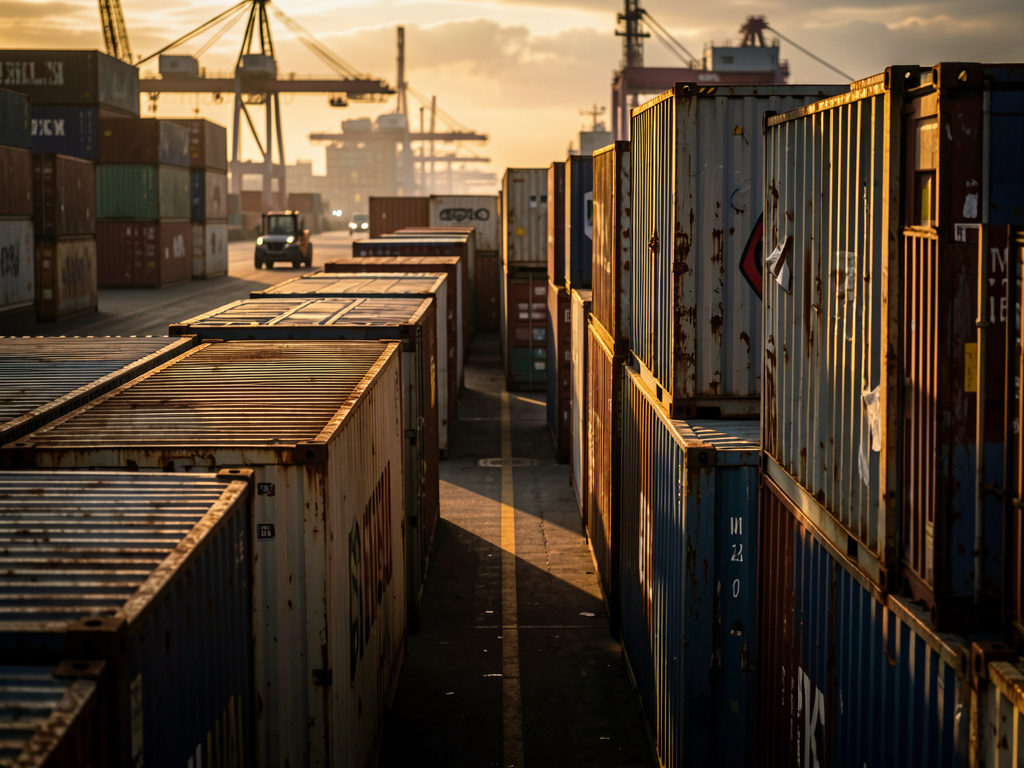
How Container Shortages Affect Costs
How Container Shortages Affect the Cost of International Shipping
Container shipping remains one of the key elements of global logistics. The majority of goods crossing national borders are transported in standard shipping containers. These containers carry industrial equipment, electronics, clothing, food products, raw materials, furniture, automotive components, and many other types of cargo. Thanks to the standardized sizes of containers, carriers can relatively quickly transfer them from ships to rail and road transport, reducing cargo processing times at ports.
However, the efficiency of this system directly depends on the availability of container equipment. When there is a shortage of containers on specific routes, the entire familiar structure of the shipping process changes. Shippers face rising rates, extended delivery times, additional fees, and the need to seek alternative routes. Moreover, container shortages can occur even when the overall global fleet of equipment is formally large enough. The problem often lies not in the absolute number of containers but in their improper distribution across regions.
For businesses, container shortages become a factor that affects not only transportation costs but also product costs, inventory levels, contract terms, and competitiveness in the international market. Companies are forced to book space on ships in advance, plan purchases considering possible delays, and budget for the risks of changing sea freight rates. As a result, logistics costs begin to be shaped by several factors: the balance of supply and demand, port congestion, equipment availability, fuel prices, and the condition of cargo routes.
What is a Container Shortage and Why Does it Occur?
A container shortage is a situation where there is not enough suitable equipment available in a specific port, region, or trade route to load export or import shipments. While containers may exist in the global circulation, they might be located in another part of the transport system. For example, one Asian port may experience a shortage of empty containers, while a European terminal may have an excess.
It is important to distinguish between local shortages and global container shortages. A global issue means that the total fleet of equipment does not meet worldwide demand. A local shortage arises from imbalances in trade flows, delays, terminal congestion, route changes, or seasonal spikes in demand. Local discrepancies are the most common and can significantly impact international shipping.
Main Causes of Container Equipment Shortages
One of the main reasons for shortages is the unevenness of international trade. Export and import flows rarely match in volume and structure. A region may actively send goods abroad but receive significantly less product in containers. As a result, it quickly runs out of empty containers needed for new export shipments.
Delays at ports also have an additional impact. If terminals are operating at full capacity, containers remain on-site longer, ships wait longer for processing, and equipment returns to circulation more slowly. Adverse weather conditions, strikes, technical failures, or changes in control regulations can further increase delays.
Significant fluctuations in demand also play a crucial role. Before major holidays, the start of the school season, or periods of active sales, companies strive to bring in large shipments of goods in advance. Importers increase order volumes, carriers receive more requests, and available containers and space on ships quickly run out.
Geopolitical events, restrictions on specific routes, port closures, route changes, and disruptions in the operation of channels or straits also affect the situation. If shipping companies are forced to redirect vessels, the duration of the voyage increases. Containers remain in transit longer and do not return to shippers within the planned timeframe.
Why Having Containers in the World Does Not Solve the Problem
A container is not just a metal box; it is a component of a complex logistics chain. It must be in the right place, have the appropriate type and technical condition, meet cargo requirements, and be available during a specific period. A universal dry cargo container cannot be automatically used for transporting oversized, temperature-sensitive, or hazardous cargo.
In addition, carriers take into account the cost of moving empty equipment. If it is necessary to deliver an empty container from one region to another, the expenses for such an operation can be significant. Sometimes the transport company prefers to change the rate, limit the acceptance of applications, or direct the equipment to a more profitable route rather than transport it empty.
Thus, the container shortage is formed under the influence of a whole complex of reasons: trade imbalance, delays, seasonality, technical limitations, geopolitics, and economic feasibility. For cargo owners, this results in reduced availability of container transportation and an increase in the overall cost of international logistics.
How Container Shortages Increase Ocean Freight Costs
Ocean freight is the payment for transporting cargo by sea. Its amount depends on the destination, type of container, shipment volume, transportation conditions, timelines, vessel congestion, and many additional factors. When containers are in short supply, carriers have the opportunity to revise rates upwards, as the demand for equipment and space on vessels exceeds the available supply.
The Impact of Supply and Demand on Rates
The pricing mechanism in conditions of shortage is quite simple. If a large number of shippers are simultaneously trying to obtain a container and space on a vessel, and the available resources are limited, carriers raise their rates. Companies compete for available equipment, try to book shipments in advance, and sometimes agree to less favorable conditions just to avoid disrupting the delivery.
The increase in ocean freight can occur in stages. First, the base rates on popular cargo routes rise. Then carriers introduce additional fees for equipment, peak season, port congestion, or limited capacity. As a result, the final cost of transportation turns out to be significantly higher than the initial estimate.
Routes with a pronounced trade imbalance see particularly rapid increases in costs. If a region consistently receives more containers than it sends back, carriers have to organize the return movement of empty equipment. These costs may be included in the rates for exporters or compensated through additional fees.
Additional Fees During Container Shortages
When equipment is scarce, cargo owners may encounter various types of surcharges. The carrier has the right to impose a fee for providing a container, a charge for changing booking conditions, or an additional cost for urgent equipment delivery. In some cases, terminal expenses increase because the container has to be moved between sites.
Fees related to delays in return are also applied. If a container cannot be removed on time due to terminal congestion or lack of transport, charges for storage, downtime, or use of equipment beyond the established period are incurred. Such costs are particularly burdensome for companies that transport large shipments or work with low-margin goods.
Additional complexity arises from the fact that some fees become known only after the main transportation has been arranged. Therefore, the initial ocean freight rate does not always reflect the final cost of international delivery. Accurate calculations must take into account port fees, agency commissions, freight forwarder services, delivery to the warehouse, insurance, and possible costs associated with delays.
The Connection Between Container Shortages and Overall Logistics Costs
The cost of logistics includes not only the payment for ocean freight. It encompasses expenses for cargo preparation, packaging, loading, terminal handling, customs clearance, land transportation, and insurance. When containers become scarce, the duration of the entire supply chain increases. This leads to additional costs for storage, warehousing, transport downtime, and inventory management.
For businesses, not only the price of delivering a single shipment is important, but also the total cost of ownership of goods in transit. With prolonged transportation, capital remains tied up longer, increasing the need for working capital, and the company is forced to maintain larger inventory levels. In some cases, the financial losses from delays exceed the increase in the ocean rate itself.
The Impact of Container Shortages on International Trade
Container shipping connects manufacturers, suppliers, distributors, and end markets. Therefore, any serious disruptions in the container system affect not only carriers but also the entire international trade landscape. When delivery becomes more expensive and less predictable, companies reassess their purchasing policies, order volumes, and supplier geography.
Rising Costs of Imported Goods
Importers include transportation costs in the final price of products. When sea freight increases, the cost of each unit of goods rises. This is particularly noticeable in low-margin segments, where logistics account for a significant portion of the purchase price.
Manufacturers may try to offset additional costs by reducing profits, changing packaging, seeking cheaper suppliers, or switching to alternative routes. However, it is not always possible to completely avoid the consequences. As a result, some costs are passed on to wholesale buyers and end consumers.
The rising costs of international shipping can change demand for certain products. If the delivery of goods from a remote region becomes too expensive, a company may look for suppliers closer to the market. Additionally, the container shortage indirectly affects the structure of global supply chains and stimulates the development of regional production.
Delivery Delays
The container shortage is often accompanied by booking issues. A carrier may not confirm a request on the first attempt, postpone the shipping date, or suggest an alternative port. As a result, the cargo arrives later than planned.
Delays are particularly dangerous for companies using a "just-in-time" supply model. If production depends on the regular arrival of components, even a small delay can halt the production line. In retail, a delay in seasonal goods means missing the peak demand period. For construction and industrial projects, postponing the delivery of equipment can lead to idle personnel and machinery.
Changes in Foreign Trade Contract Terms
In unstable rate environments, parties to a foreign trade contract strive to allocate transportation risks more precisely. The contract may specify conditions that determine who pays additional fees, how freight changes are accounted for, and who is responsible for delays.
Companies are also increasingly using flexible shipping schedules, breaking large shipments into several deliveries, or negotiating container reservations. This enhances delivery manageability but can simultaneously increase administrative costs and complicate supply chain control.
How Container Shortages Affect Freight Routes
The equipment shortage changes not only costs but also the geography of transportation. When a standard route becomes congested or too expensive, cargo owners begin to consider alternative ports, transit countries, and combined delivery schemes.
Redirecting Cargo Flows
Carriers can direct containers through less congested ports. For example, instead of a direct shipment to the main destination port, a neighboring terminal may be used, followed by delivery by truck or rail. This option helps bypass restrictions but often increases the number of transshipments and the overall duration of transport.
Redirecting cargo flows requires careful calculation. It is necessary to consider the capacity of the alternative port, the availability of warehouses, transportation access, transit conditions, and the possibility of document processing. If one element of the chain becomes congested, savings on sea freight may be lost due to increased ground costs.
Utilizing Multimodal Transport
Multimodal logistics involves combining several modes of transport within a single chain. A container may travel by sea, then by rail, road, or inland waterway. This scheme allows for flexible responses to changes in port situations and specific freight routes.
In the case of container shortages, a multimodal approach helps reduce dependence on a single direction. However, it requires coordinated work among several operators, precise data exchange, and proper documentation of transport. Any mistake at the interface of transport modes can lead to delays and additional charges.
The Growing Role of Regional Hubs
In times of instability, companies increasingly use logistics hubs where goods can be temporarily stored, consolidated, and redistributed. This approach allows for not sending products directly in small batches but first delivering them to an intermediate center, from where further delivery is organized.
Logistics hubs enhance flexibility but create additional costs for handling, storage, and intra-warehouse operations. Therefore, route selection should be based not only on the sea freight rate but also on the total cost of delivery from the supplier to the final recipient.
Which Industries Feel the Container Shortage the Most
The impact of container shortages depends on the nature of the product, its value, shelf life, and delivery requirements. Some companies can postpone shipments or change routes, while others face direct losses within just a few days of delays.
Retail and Consumer Goods
Retail operates with large volumes of imported products and is influenced by seasonal demand. Clothing, footwear, household appliances, toys, and home goods are often shipped by sea. If containers are unavailable during the pre-season preparation period, the company risks receiving goods after peak sales have ended.
Additionally, retail chains must plan their assortment in advance and maintain stable product availability in warehouses. The rising cost of container shipping increases the purchase price, while delays force companies to create additional stock. As a result, the trading company faces both increased logistics costs and capital being tied up.
Industry and Manufacturing
Manufacturing enterprises use containers to deliver raw materials, parts, equipment, and components. If delivery is delayed, the enterprise may lose production rhythm. Industries that rely on a limited number of suppliers or unique components are particularly vulnerable.
For industrial businesses, regularity and predictability are crucial, which is why companies enter long-term agreements with carriers, reserve equipment, and consider alternative suppliers. Sometimes, increased shipping costs are justified if they help avoid production stoppages.
Food Products and Perishable Goods
For food products, delivery times, temperature control, and sanitary requirements are critical. A shortage of refrigerated containers can be a more serious issue than a lack of standard equipment. If a suitable container is not available, it is impossible to safely ship the goods even if there is space on the vessel.
Delays in perishable goods increase the risk of product write-offs, contract violations, and claims from buyers. Therefore, companies dealing with food products reserve equipment in advance, use specialized monitoring systems, and choose routes with minimal transshipments.
How Companies Can Mitigate the Effects of Container Shortages
It is impossible to completely eliminate the influence of external factors; however, businesses can reduce risks through planning, diversification, and digital control. The earlier a company identifies a potential equipment shortage, the more options it has for adjusting the shipment.
Advance Booking of Shipments
One of the most effective strategies is early planning. Booking a container and space on a vessel right before shipping increases the likelihood of encountering equipment shortages or sudden rate hikes. With a longer planning horizon, the carrier can offer several route and date options.
It is important to consider not only the cargo readiness date but also the time for production, packaging, delivery to the port, customs clearance, and potential delays. This approach helps avoid situations where a container is formally booked, but the cargo does not arrive at the terminal in time.
Diversification of Suppliers and Routes
Companies should not rely on a single port, carrier, or transit route. It is beneficial to have alternative options in advance: multiple departure ports, different freight forwarders, backup suppliers, and additional delivery schemes.
Diversification does not mean constantly using the most expensive options. Its goal is to ensure the ability to quickly switch when the main route is overloaded. At the same time, it is necessary to check rates, timelines, document requirements, and the actual capacity of the alternative supply chain in advance.
Consolidation and Load Optimization
Proper placement of products helps to use container space more efficiently. If several small batches are combined into one shipment, the cost of transporting each unit decreases, and the amount of required equipment is reduced.
However, consolidation requires coordination. All goods must be compatible in terms of shipping conditions, readiness timelines, and documentation. If organized incorrectly, combining batches can lead to waiting for the latest cargo and increase the overall delivery time.
Utilizing Digital Platforms
Digital logistics platforms allow tracking rates, container availability, port loading, and shipment status. They enable faster route comparisons, notifications about changes, and document control.
In this context, it is useful to utilize specialized services, including ship247.world, if they provide tools for finding transportation solutions, tracking shipments, and interacting with logistics partners. Digitalization does not eliminate the container shortage, but it helps to find available equipment more quickly and reduces the number of errors in planning.
How to Calculate the Real Cost of Container Shipping
To accurately assess the impact of the container shortage, it is necessary to analyze not only the base rate of sea freight. The final amount is formed from many components, some of which arise at different stages of transportation.
Main Calculation Elements
The standard calculation may include:
the sea freight rate;
fees for providing and using the container;
port and terminal charges;
delivery of cargo to the port of departure;
delivery from the port of destination to the warehouse;
freight forwarding services;
customs clearance;
insurance;
storage and handling;
demurrage or delay charges for container return;
additional fees for route changes or urgency.
If containers are in short supply, individual items may increase several times. Therefore, it is essential to compare offers from different carriers based on the total cost of delivery, not just the advertised freight rate.
Calculating the Cost per Unit of Goods
To evaluate the impact of logistics on business, transportation costs should be distributed over the volume of the batch. If a container is transporting expensive products, an increase in freight may have a relatively minor effect on the final price of each unit. For cheap and bulky goods, even a small additional charge significantly alters the cost price.
It is also necessary to consider the likelihood of delays. Sometimes a more expensive but stable route turns out to be more advantageous than a cheaper option with a high risk of downtime. When comparing offers, it is useful to assess not only the planned price but also potential expenses in case of schedule deviations.
Prospects for Container Shipping Development
The container shortage remains part of the cyclical nature of international logistics. During periods of trade growth, the demand for equipment sharply increases, and then the market faces an excess of containers in certain regions. Carriers and shippers strive to make the system more flexible and resilient.
Development of the Container Fleet
Manufacturers are expanding the production of new containers, including specialized equipment: refrigerated containers, tank containers, platforms, and models for oversized cargo. However, increasing the fleet does not solve the problem instantly. Production, delivery, and distribution of equipment take time, and new containers need to be integrated into the existing transport network.
Improving Empty Container Management
The effective movement of empty equipment is of great importance. Carriers analyze trade flows, consolidate requests, use digital planning systems, and strive to reduce the number of empty trips. The more accurately containers are distributed, the lower the likelihood of local shortages.
Automation and Data Transparency
Modern platforms help consolidate information about orders, cargo, ports, vessels, and containers. Transparent data allows for earlier detection of imbalances and taking action before the problem leads to a sharp increase in rates.
In the future, demand forecasting, artificial intelligence, electronic documents, and integration of supply chain participants will be significant. Companies that can quickly analyze changes in cargo routes and promptly adjust logistics will gain an advantage in international trade.
The container shortage has a complex impact on international shipping. It raises the cost of sea freight, increases the number of additional fees, causes delays, and forces companies to seek new cargo routes. However, the problem is not always a global lack of containers. Often, equipment is available but located in another region, delayed at the port, does not meet cargo requirements, or is economically unfeasible for transportation.
The rising cost of logistics affects the cost price of goods, delivery times, and financial planning for businesses. The most vulnerable sectors are those dependent on seasonality, regular supply of components, and adherence to temperature control. To mitigate risks, companies need to book shipments in advance, diversify routes, use multimodal schemes, monitor the total cost of delivery, and implement digital tools.
Effective management of container shipping requires constant market analysis, collaboration with reliable logistics partners, and readiness to quickly adjust supply plans. Utilizing specialized digital solutions, including ship247.world, can help track shipments, compare delivery options, and respond promptly to changes in international logistics. In an environment of unstable demand and shifting trade geography, flexibility, data transparency, and quality planning become the key factors in controlling logistics costs.