

 RU
 UA
 DE
 FR
 ES
 CN
 SA
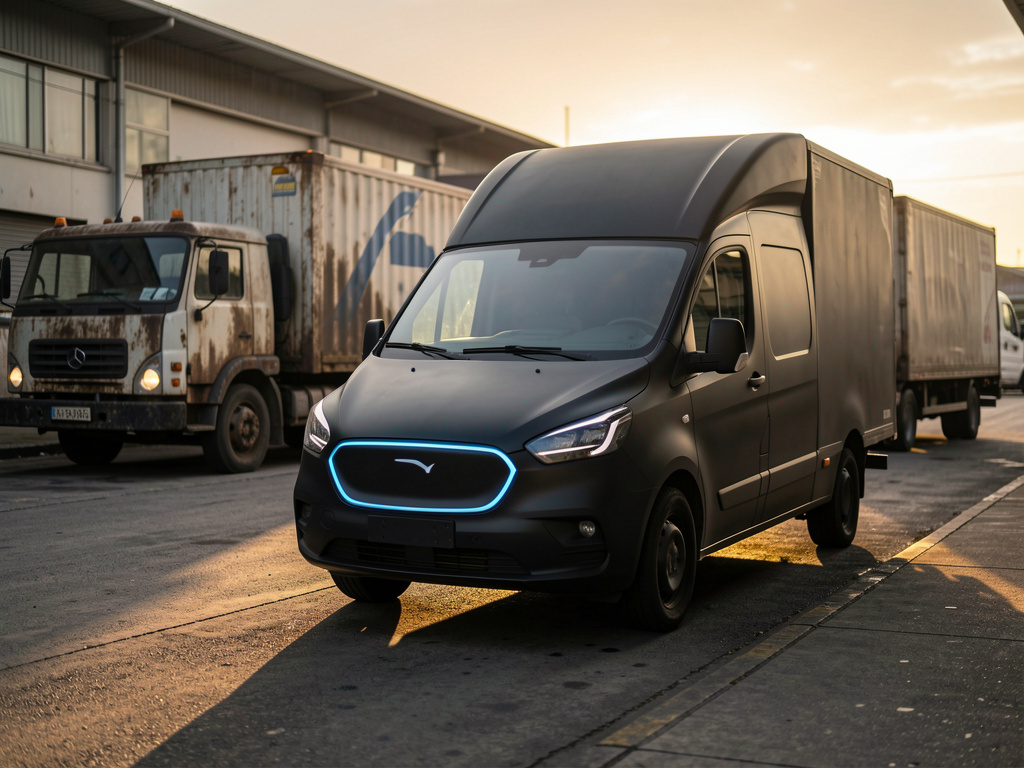
Which Transport is More Cost-Effective for Delivery
Electric Transport vs. Diesel Vehicles: Which is More Cost-Effective for Delivery
Modern courier logistics is undergoing a significant transformation. Rising diesel fuel prices, instability in the energy market, stricter environmental regulations, and the growth of e-commerce are prompting companies to rethink their fleet management strategies. Just a few years ago, diesel vehicles were the obvious choice for delivery: they offered a long range, quick refueling, and were well-suited for long-distance transport. However, today electric transport is becoming a viable alternative, especially in urban logistics and for regular routes.
Businesses face a practical question: what is more cost-effective for delivery—electric transport or diesel vehicles? There is no universal answer. The final economics depend on distance, cargo weight, route types, availability of charging infrastructure, electricity and diesel fuel costs, operating conditions, maintenance expenses, equipment lifespan, and customer requirements.
This article will explore the main differences between electric and diesel transport, compare operating costs, assess the impact of the fuel crisis on logistics, and examine the conditions under which each option proves to be the most effective. We will also focus on courier logistics, transportation costs, and the possibilities of digital delivery planning, including solutions available on ship247.world.
Electric Transport in Modern Delivery
Electric transport is gradually moving from the category of experimental solutions to a standard tool in commercial logistics. Electric vans, electric trucks, tricycles, and compact urban electric cars are being used for the delivery of online orders, groceries, documents, parcels, and everyday goods. The interest in electric transport is particularly noticeable in large cities, where companies face restrictions on the entry of internal combustion engine vehicles, high parking costs, and the need to reduce emissions.
The main advantage of electric transport lies in its lower cost per kilometer. Electric motors convert energy into motion more efficiently than diesel engines, so under comparable loads, electricity costs are often lower than diesel fuel expenses. Additionally, charging rates can be optimized: companies can charge vehicles at night, use their own solar generation, or enter into contracts with electricity suppliers at corporate rates.
Where Electric Transport is Especially Effective
Electric transport is most advantageous for routes with clearly defined geography and regular returns to the base. These can include deliveries within the city, distribution of orders across districts, supply to stores, document transport, food delivery, and servicing pickup points. In such scenarios, the vehicle travels approximately the same distance daily, and charging occurs at the end of the shift.
For urban courier logistics, not only the cost of energy matters but also the convenience of operation. Electric vehicles operate more quietly, which is particularly relevant for morning and evening deliveries in residential areas. The absence of exhaust emissions allows transport to be used in closed warehouse complexes, underground parking lots, and areas with environmental restrictions.
Electric transport also features smooth acceleration and high torque at low RPMs. This is convenient for frequent stops, maneuvering in courtyards, and navigating through dense urban traffic. For couriers, such vehicles can be more comfortable than diesel models, especially with a high number of addresses per shift.
Limitations of Electric Transport
Despite the advantages, electric vehicles are not a universal replacement for diesel vehicles. The main limitation is range, which depends on temperature, load, speed, and the use of heating or air conditioning. In winter, the battery may discharge faster, and charging times increase. Moreover, commercial transport often operates at full capacity, which further impacts energy consumption.
The second factor is the initial price. Electric vans typically cost more than their diesel counterparts. The difference can be offset by lower fuel and maintenance costs, but for this to happen, the transport must be used intensively. If the vehicle is used infrequently, the payback period may turn out to be too long.
The charging infrastructure requires special attention. Companies need to assess the power capacity of the electrical grid, the possibility of installing charging stations, connection costs, and charging schedules in advance. If the fleet consists of several dozen vehicles, simultaneously connecting all cars may require upgrading the facility's power supply.
Diesel Vehicles for Delivery: Advantages and Disadvantages
Diesel vehicles have been the backbone of commercial transportation for decades. Diesel vans, trucks, and tractors are used for urban, regional, and international deliveries. Their popularity is attributed to a combination of long range, high payload capacity, quick refueling, and a well-developed service infrastructure.
For intercity deliveries, diesel transport often proves to be more practical. Refueling takes just a few minutes, after which the vehicle can continue traveling for hundreds of kilometers. Numerous gas stations are located along major highways, making it easier for carriers to plan routes without relying on charging stations.
Strengths of Diesel Transport
Diesel vehicles are well-suited for intensive use over long distances and significant loads. Modern diesel engines have high torque, which is particularly important when transporting heavy cargo, navigating challenging terrain, and towing trailers.
Another advantage is the wide range of models available. The market offers compact vans, medium-duty trucks, heavy machinery, and specialized vehicles. Companies can select transport tailored to specific tasks: from delivering small packages to transporting pallets and oversized cargo.
Diesel equipment is also familiar to service companies and drivers. Spare parts are readily available, the repair infrastructure is well-developed, and staff do not require extensive training to work with high-voltage systems. This reduces organizational risks when updating the fleet.
Factors Affecting Diesel Operating Costs
The main drawback of diesel vehicles is their dependence on diesel fuel prices. Fuel expenses can constitute a significant portion of the delivery budget, especially with high daily mileage. When fuel prices rise, transportation costs increase almost immediately, forcing companies to reconsider rates or reduce margins.
In addition to fuel, diesel vehicles require regular maintenance. Engine oil, filters, belts, fuel system components, and other consumables must be replaced. Modern models include exhaust cleaning systems, such as particulate filters and catalytic converters. Their maintenance and repair can be costly.
When operating in urban environments, diesel vehicles are often subjected to heavy usage: frequent stops, short trips, traffic jams, and prolonged idling. Such conditions increase fuel consumption and accelerate engine wear. Therefore, the actual cost of urban delivery can differ significantly from the figures stated by the manufacturer.
Comparison of Operating Costs
To determine what is more cost-effective for delivery, it is essential to evaluate not only the purchase price but also the total cost of ownership. This includes initial investments, energy expenses, maintenance, insurance, taxes, repairs, downtime, depreciation, and the residual value of the vehicle.
Electric vehicles typically require a larger initial budget. However, the company can save on electricity and service costs afterward. A diesel vehicle is cheaper to purchase in its base configuration, but its operating expenses are more heavily influenced by mileage and fuel prices.
Energy Costs
Comparisons should be made based on costs per kilometer rather than the price per liter of fuel or kilowatt-hour. For example, a diesel van may consume 9–12 liters of fuel per 100 kilometers, while an electric van may use 25–35 kWh over the same distance. Actual figures depend on cargo weight, temperature, terrain, and driving style.
With a stable electricity tariff, electric transport offers a more predictable cost per kilometer. Diesel fuel is subject to fluctuations related to oil prices, taxes, logistics, and geopolitical factors. During a fuel crisis, this difference becomes particularly noticeable.
However, it is essential to consider losses during charging, the cost of fast charging, and potential peak tariffs. If a company uses only commercial stations, savings may be lower than when charging at its own facility.
Maintenance and Repair
Electric vehicles have fewer moving parts. They lack traditional internal combustion engine systems: motor oil, spark plugs, complex fuel equipment, exhaust systems, and gearboxes in their usual form. This reduces the number of scheduled operations and potential malfunctions.
The main expensive component of an electric vehicle remains the battery. Its lifespan depends on the chemical composition, temperature, charging mode, and depth of discharge. Modern batteries are designed for long-term use, but their replacement can become a significant expense. Therefore, it is important to study the manufacturer's warranty, diagnostic conditions, and the cost of battery module restoration before purchasing.
For diesel vehicles, the repair base is more familiar, but the number of components requiring maintenance is significantly higher. With high mileage, the likelihood of malfunctions in the turbocharger, injectors, particulate filter, exhaust gas recirculation system, and transmission increases.
Example of a Conditional Calculation
Let's consider a vehicle that travels 200 kilometers a day and operates 26 days a month. The monthly mileage will be about 5200 kilometers. If a diesel van consumes 10 liters per 100 kilometers, it will require approximately 520 liters of fuel per month. At a price of 70 rubles per liter, the costs will amount to about 36,400 rubles.
An electric van, with a consumption of 30 kWh per 100 kilometers, will require approximately 1560 kWh per month. At a rate of 8 rubles per kWh, the expenses will total 12,480 rubles. Even accounting for losses during charging, the final difference can be significant.
This is just an example, not a universal formula. Actual results depend on rates, seasons, loads, routes, and maintenance costs. Nevertheless, the calculation shows why electric transport can be more cost-effective for high regular mileage.
Fuel Crisis and Its Impact on Logistics
The fuel crisis directly affects the operations of courier and transport companies. The rising cost of diesel fuel leads to increased expenses for each order, especially when deliveries are made over long distances. Even a small increase in the price per liter becomes a substantial monthly sum for a large fleet.
Companies are forced to compensate for rising costs in several ways: increasing rates, reducing delivery zones, consolidating orders, optimizing routes, and switching to more economical vehicles. However, not all solutions can be implemented quickly. Existing contracts, customer demands, and strict delivery deadlines limit the carrier's options.
How Electric Transport Reduces Fuel Risks
Electric transport does not eliminate dependence on the energy market, as electricity prices can also rise. However, the structure of expenses becomes more manageable. A company can enter into a long-term electricity supply contract, install charging stations on its premises, or use renewable energy sources.
With its own infrastructure, the carrier gains more control over costs. Additionally, charging can be scheduled during periods of minimal network load. This is especially important for large fleets, where the difference between daytime and nighttime rates can provide significant savings.
Electric vehicles also allow companies to reduce dependence on fluctuations in the oil product market. For businesses that build long-term financial plans, such predictability can be more important than the minimum purchase price of a vehicle.
Risks of Transitioning to Electricity
A complete transition away from diesel vehicles also comes with risks. There may be limitations in the power grid, interruptions at charging stations, rising rates, and a shortage of specialists for high-voltage system repairs. If a vehicle cannot hit the road due to prolonged charging, the company incurs losses and risks breaching commitments to customers.
Therefore, many carriers opt for a mixed model. Electric transport is used on predictable urban routes, while diesel vehicles are retained for long trips, heavy loads, and routes without charging infrastructure.
Electric and Diesel Vehicles in Courier Logistics
Courier logistics has specific requirements for transport. The vehicle must be maneuverable, economical, reliable, and convenient for frequent stops. A driver may handle dozens of addresses in a shift, so easy loading, visibility, compact size, and resilience to constant acceleration and braking are essential.
For the last mile, electric transport often proves particularly attractive. Most routes are within the city, daily mileage is easily predictable, and the vehicle returns to the base in the evening. This creates optimal conditions for overnight charging.
Advantages of Electric Vehicles for the Last Mile
On short routes, electric vehicles demonstrate low cost per kilometer and minimal noise levels. They are convenient for operation in residential areas, historic centers, and zones with environmental restrictions. The absence of exhaust emissions helps reduce the negative impact on the urban environment.
Electric transport integrates well with automated route planning. The system can take into account battery charge levels, the location of charging stations, terrain, traffic jams, and order schedules. This helps minimize the risk of running out of charge and more accurately distribute couriers among routes.
Another advantage is the ability to use compact electric vans and cargo e-bikes. For densely populated urban areas, such transport can sometimes be more efficient than full-size diesel vehicles.
When Diesel Vehicles Remain Preferred
Diesel retains its advantage where high autonomy and greater payload capacity are required. If a courier is delivering goods between cities, working in remote locations, or covering several hundred kilometers daily, diesel vehicles may prove to be more reliable.
Diesel vehicles are also preferable for irregular routes, where it is impossible to determine the return point and the timing of the next charge in advance. For emergency and urgent deliveries, the ability to refuel quickly and resume movement immediately is crucial.
In practice, effective courier logistics often relies on distributing vehicles according to tasks. Electric vehicles serve short routes with high order density, while diesel vehicles handle long and complex directions.
Transport Costs and Hidden Budget Items
When comparing electric and diesel transport, it is important to consider not only energy costs. Transport expenses include driver salaries, insurance, repairs, downtime, parking rental, taxes, leasing payments, washing, tire fitting, and administrative support.
An electric vehicle may reduce some costs but increase others. For example, installing charging stations requires capital investment. A transformer, cable installation, charging management software, and a dedicated equipment operation specialist may be necessary.
In contrast, a diesel fleet does not require extensive charging infrastructure but incurs costs related to fuel management, regular maintenance, and addressing the consequences of intensive use. As diesel fuel prices rise, the variable part of the budget becomes less predictable.
Vehicle Downtime
Downtime is one of the most underestimated expense items. If a vehicle is under repair or waiting to charge, it does not generate income. For electric transport, it is essential to calculate the charging duration in advance and the number of vehicles that should be on the road simultaneously.
Fast charging stations reduce downtime but are more expensive and create increased strain on the battery with regular use. An optimal solution often becomes a combination of slow overnight charging and limited use of fast charging during the day.
For diesel vehicles, refueling takes less time, but repairing complex components can be lengthy and costly. This is especially true for fuel system, transmission, and exhaust cleaning system failures.
Service Life and Residual Value
The residual value of equipment depends on the brand, condition, mileage, warranty, and battery condition. The resale market for electric vehicles is still developing, making it harder to predict their value in a few years. Buyers pay particular attention to the remaining battery capacity and the ability to diagnose it.
Diesel vehicles have a clearer operational history and a familiar secondary market. However, tightening environmental regulations in some regions may reduce demand for older models with internal combustion engines.
How to Choose Transport for Delivery
The choice between electric and diesel transport should be based on the specific business model. A universal recommendation without route analysis can lead to overpayment and reduced fleet efficiency.
First and foremost, it is necessary to gather statistics: average and maximum mileage, load, number of stops, shift duration, seasonal fluctuations, and return time to base. Then, energy costs for different types of transport should be calculated and compared with investments in equipment and infrastructure.
Questions for Project Assessment
Before purchasing electric transport, it is worth answering several questions:
What is the average mileage of the vehicle per shift?
Does the equipment return to the base every day?
What is the average weight and volume of the cargo?
Is it possible to install charging stations?
What is the available power of the electrical network?
How does the load change in winter?
How long can a vehicle stay on charge?
What are the costs of diesel fuel and electricity?
Is there a service center and specialists available?
What payback period is acceptable for the company?
If the route is stable, the mileage is moderate, and charging is available at the company's base, electric transport has a high chance of being more cost-effective. If the transport is long-distance, the cargo is heavy, and the infrastructure is lacking, diesel vehicles may remain the optimal choice.
Why a mixed fleet is often more efficient
A mixed fleet allows for risk distribution. The company is not obligated to replace all diesel vehicles with electric ones at once. It can start with a few vehicles for testing on the most suitable urban routes.
A pilot project helps to check the actual energy consumption, charging convenience, temperature influence, and the reactions of drivers and customers. After this, the company can make a decision about expanding the electric fleet based on real data rather than advertising metrics.
Meanwhile, diesel vehicles continue to perform tasks for which they are better suited: long-haul trips, transporting heavy cargo, backup routes, and operating in regions with a lack of charging stations.
The role of digital platforms in optimizing delivery
Even the most economical vehicle will not deliver the desired results if the routes are planned inefficiently. Empty runs, repeated trips, waiting at warehouses, and improper order distribution increase transportation costs regardless of the engine type.
Digital platforms help analyze orders, build routes, monitor delivery performance, and assess the actual cost of each trip. This is especially important for courier logistics: even a small reduction in mileage with a large number of orders can lead to significant savings.
The solutions and services presented on ship247.world can be seen as part of the digital infrastructure for managing transportation. When choosing a platform, it is important to pay attention to integration capabilities with CRM and warehouse systems, transport monitoring, order status control, route analytics, and report generation.
How digitalization helps the electric fleet
For electric vehicles, data on charge status and estimated remaining range is particularly important. The system should take into account the planned route, vehicle load, temperature, traffic conditions, and availability of charging stations.
Automation allows for the early identification of routes where an electric vehicle may struggle without intermediate charging. This reduces the risk of delays and helps select vehicles with an appropriate range.
Additionally, digital accounting allows for comparing the actual costs of electric and diesel deliveries. The company can see expenses for each vehicle, driver, route, and order.
Optimizing diesel logistics
For diesel vehicles, digital tools also provide significant benefits. The system can monitor fuel consumption, identify sudden accelerations and braking, detect deviations from the route, and alert about inefficient use of equipment.
Optimizing load and consolidating orders reduce overall mileage. Even if the company is not ready to switch to electric transport, smart planning can reduce diesel fuel consumption and increase fleet productivity.
The environmental factor and customer requirements
Environmental friendliness is becoming not only a matter of reputation but also a commercial advantage. More and more customers want to understand what kind of transport is used to deliver their products and how the company reduces its environmental impact.
Electric transport produces no local emissions while in motion. This is especially important for cities with high traffic concentration. However, the environmental effect depends on how electricity is produced, the battery's lifespan, and its disposal processes.
Next-generation diesel vehicles have become cleaner but still emit carbon dioxide and other substances. Older vehicles can have a significantly greater impact on air quality, especially when idling or stuck in traffic.
Environmental friendliness as a marketing element
Companies can leverage the transition to electric transport in their communications with customers. Information about eco-friendly delivery increases audience trust, especially in the segments of e-commerce, food, cosmetics, clothing, and household goods.
However, environmental claims must be backed by real metrics. It's not enough to simply put a label about eco-friendliness on a vehicle. It's advisable to keep track of mileage, energy consumption, emissions reduction, and the share of orders fulfilled by electric transport.
What is more cost-effective for delivery
Electric transport can be more cost-effective than diesel vehicles for regular urban operations, predictable routes, moderate loads, and the presence of its own charging infrastructure. It offers low energy costs, requires less scheduled maintenance, and reduces dependence on diesel fuel prices.
Diesel vehicles remain a strong solution for long-distance transport, heavy loads, unstable routes, and regions where charging infrastructure is poorly developed. Their advantages include high autonomy, quick refueling, a wide range of models, and a clear service base.
For most companies, the optimal option is not a strict choice of just one type of transport, but rather the gradual formation of a mixed fleet. Electric vehicles can be used for the last miles and in dense urban logistics, while diesel vehicles are suitable for long and complex routes.
Before making a decision, it's essential to calculate the total cost of ownership, assess transportation costs, review the delivery schedule, and conduct a trial operation. Digital planning, route monitoring, and analytics play an important role, which can be organized using modern logistics platforms, including solutions offered on ship247.world.
Thus, the question of "what is more cost-effective for delivery - electric transport or diesel vehicles" should be resolved not based on general trends, but considering the specific economics of the business. The higher the regular mileage in the city and the better the charging organization, the more attractive electric transport becomes. The longer the routes, the heavier the loads, and the more complex the geography, the greater practical value diesel vehicles retain.