

 RU
 UA
 DE
 FR
 ES
 CN
 SA
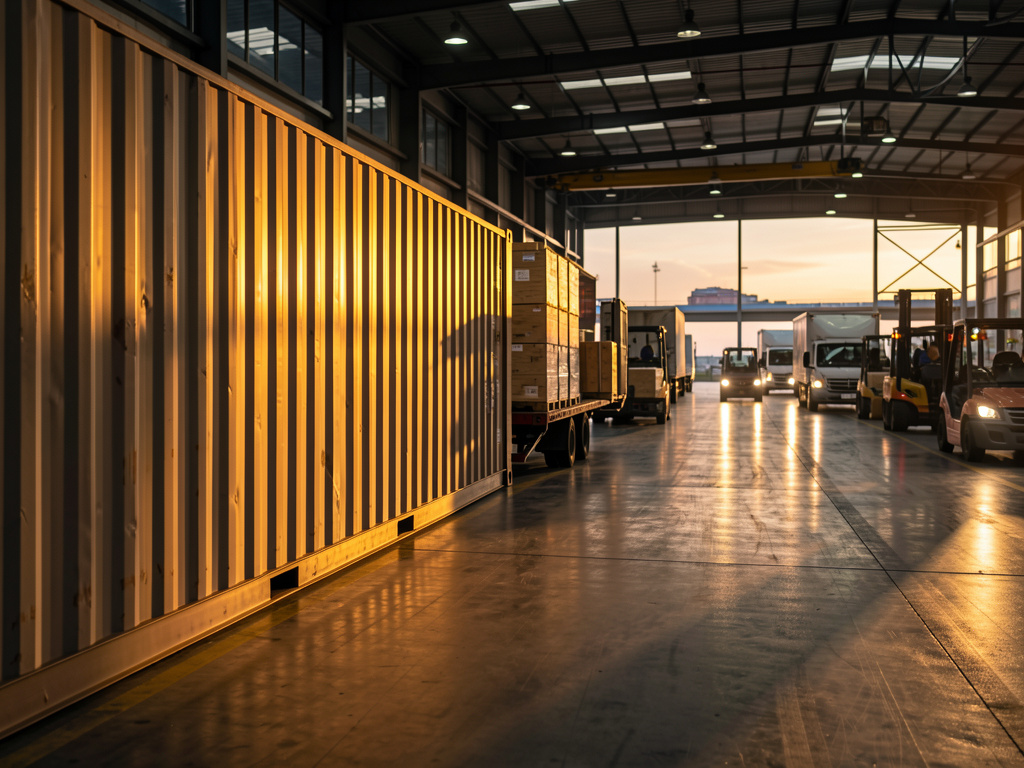
Brazil's Largest Logistics Market
Brazil as the Largest Logistics Market in South America: Delivery, Export, and International Shipping
Brazil holds a unique position in the transportation and logistics system of South America. It is the largest country in the region by area, population, economic volume, and scale of foreign trade. Here, you will find multimillion-strong cities, industrial centers, agricultural areas, seaports, airports, and major distribution hubs. This combination of factors has created a vast logistics market that serves domestic transportation, imports, exports, and international delivery of goods.
Different directions are important for companies and individual clients: sending parcels from Brazil, document delivery, exporting commercial batches, transporting e-commerce products, as well as tracking international shipments via Correios Brazil international. When choosing a shipping method, it is essential to consider distance, product category, timelines, customs regulations, service costs, and the specifics of the final destination country.
In recent years, Brazilian logistics has been actively developing due to the growth of e-commerce, the expansion of export supplies, and the implementation of digital services. Clients are increasingly using online registration, electronic waybills, automatic notifications, and tracking Brazil Post. At the same time, the market remains complex: long distances, uneven infrastructure, high port congestion, and regional differences require careful planning.
Why Brazil is Considered the Largest Logistics Market in South America
Brazil accounts for a significant portion of the freight flows in South America. Its economic system includes mining, agriculture, automotive manufacturing, equipment production, pharmaceuticals, textiles, and a developed consumer goods sector. Each industry has its own transportation requirements: some goods are shipped in bulk, while others require temperature control, enhanced protection, or expedited delivery.
The country's length significantly impacts logistics organization. There can be thousands of kilometers between the industrial zones of the southeast and the agricultural areas of the center and north. Therefore, Brazil utilizes road, rail, sea, and air transport. In practice, multimodal schemes are often used, where goods are first transported by truck to a railway terminal or port and then shipped by sea or air.
Geographical Features of the Transportation System
The main business activity is concentrated in the southern and southeastern states. São Paulo, Rio de Janeiro, Minas Gerais, Paraná, and Santa Catarina play a crucial role in industry, trade, and goods distribution. It is from these regions that international parcels, documents, and export cargoes are often dispatched.
The seaports of Santos, Paranaguá, Rio de Janeiro, Itajaí, and Rio Grande are of great importance. They handle container shipments, agricultural products, mineral raw materials, equipment, and consumer goods. The Port of Santos is considered one of Brazil's main foreign trade hubs. It is connected to the largest industrial areas and handles a significant share of export and import flows.
Air transport is particularly in demand for urgent shipments, valuable goods, product samples, and international e-commerce. Major airports in São Paulo and Rio de Janeiro provide regular cargo and passenger flights, enabling parcel shipments to Europe, North America, Asia, and other regions.
The Role of Road and Rail Transport
Road transport remains the primary means of moving goods within the country. It allows for "door-to-door" delivery and serves communities located far from ports and rail lines. However, the condition of the roads is uneven: in developed states, the transport network is denser, while in remote areas, transportation may take longer.
The railway infrastructure is gradually expanding and modernizing. Railways are particularly important for transporting grain, ore, fuel, timber, and other bulk goods. However, for delivering small parcels and urgent shipments, road and air services are more commonly used.
Shipping from Brazil: Main Shipping Options
Shipping from Brazil can be organized in several ways. The specific option depends on the weight and dimensions of the shipment, its contents, the destination country, the allowable budget, and the required timeframe. For individual shippers, the national postal operator Correios is usually the most straightforward solution. For businesses, courier services, freight forwarding companies, airlines, and international logistics operators are available.
Before preparing a shipment, it is essential to gather accurate recipient information. The address should include the name or organization, street, house number, apartment or office, city, state, postal code, country, and contact details. Errors in the address can lead to delays, returns, or additional inquiries from the carrier.
Mail Shipping via Correios
Correios — the national postal service of Brazil, which accepts domestic and international letters, documents, small packages, and commercial shipments. Depending on the chosen product, customers can receive a basic or extended set of services: registration, delivery confirmation, tracking options, and additional insurance options.
For international shipments, it is usually necessary to fill out a customs declaration. This declaration includes a description of the contents, quantity of goods, weight, value, and purpose of the shipment. The information must be accurate and sufficiently detailed. Phrases like «gift» or «personal items» without specifying the contents may raise questions during customs inspection.
Postal delivery is often chosen for its affordable price and extensive network of branches. However, the shipping time may depend on postal workload, transit routes, customs operations, and the specifics of the destination country. Therefore, for urgent documents or valuable goods, it is advisable to consider courier services.
Courier and Express Delivery
International courier companies offer faster shipping options. They organize cargo pickup, sorting, air transport, customs clearance, and delivery to the recipient. These services are suitable for contracts, product samples, electronics, original documents, and goods for which timely delivery is crucial.
The cost of express delivery is usually higher than that of postal services, as it includes expedited processing, an advanced tracking system, additional notifications, and «door-to-door» service. For businesses, this can be justified if delays could lead to production downtime or disrupted deals.
Correios Brazil International: Brazil's International Mail
The query Correios Brazil international is often used by customers who want to send a package or letter from Brazil abroad. The international services of Correios include several categories of shipments that differ in speed, registration conditions, and tracking availability. Before proceeding, it is important to check if the selected service is available for the specific destination country.
Postal regulations may change, so up-to-date information should be obtained from the official Correios website or at the operator's branch. There, you can clarify the rates, list of permitted contents, packaging requirements, declaration rules, and claims submission procedures.
How to Prepare a Package for International Shipping
The packaging should correspond to the nature of the contents. Fragile items should be protected with cushioning material, liquid goods should be placed in airtight inner containers, and documents should be sent in a sturdy envelope or cardboard packaging. The box should be strong, free of old labels and markings that could confuse sorting systems.
The packaging should include the sender's and recipient's information. It is recommended to write the address in Latin letters if required by international shipping rules. Phone numbers and email addresses help the carrier contact the recipient if any questions arise.
When filling out the declaration, each type of content should be described separately. For example, instead of the general term «goods», it is better to specify «cotton t-shirt», «ceramic mug», or «printed book». This simplifies customs processing and reduces the risk of delays.
Content Restrictions
International mail does not accept certain categories of goods for transport. Restrictions may apply to weapons, narcotics, explosives and flammable materials, certain types of medications, perishable products, cash, jewelry, and batteries. Additional prohibitions are set by the destination country.
Even if a product is permitted in Brazil, its import may be restricted in another country. Therefore, it is essential to check the regulations of both countries before shipping. Special attention should be paid to cosmetics, food products, seeds, biological materials, medications, and electronics with lithium batteries.
Shipping Brazil Worldwide: International Delivery from Brazil to the World
The phrase shipping Brazil worldwide encompasses a wide range of services for sending cargo from Brazil to various countries around the globe. International shipments are built on the interaction between the sender, postal operator, airline or shipping company, customs authorities, local partners, and the final courier.
Air mail is often used for small packages. It provides a relatively short route and is suitable for lightweight and medium-weight goods. Sea container shipping is more cost-effective for large shipments, but it takes longer and requires complex documentation.
Air Delivery
Air delivery is used for urgent and compact shipments. Its advantages include speed, regular flight schedules, and the ability to send to a large number of countries. However, the rate is calculated not only based on actual weight but also on dimensional weight. If the box is lightweight but takes up a lot of space, the cost may be higher than expected.
For air shipments, accurate dimensions and reliable packaging are crucial. Cargo goes through several stages of sorting and transshipment, so insufficiently sturdy packaging may get damaged. Electronics, glass, and other fragile items require additional protection.
Sea Delivery
Sea transport is suitable for containers, pallets, and large shipments. It is used by exporters of agricultural products, industrial equipment, furniture, raw materials, and consumer goods. Compared to air transport, sea freight is usually cheaper for larger volumes, but delivery times can take several weeks or more.
The sender must determine the loading format: full container load (FCL) or less than container load (LCL). In FCL, the entire container is used by one client. In LCL, goods from different senders are combined into one transport unit. Consolidated shipping is convenient for small shipments but adds stages of consolidation and deconsolidation.
Brazilian Logistics and Goods Export
Brazilian logistics for exports is closely linked to agriculture, mining, machinery, and food production. The country exports coffee, soybeans, meat, sugar, orange concentrate, iron ore, oil, timber, chemicals, cars, and equipment.
The export operation requires coordination of several processes: preparing the goods, selecting packaging, completing documentation, organizing transportation, submitting customs declarations, and monitoring delivery. An error at any stage can lead to financial losses and delays in cargo.
Documents for Export Shipments
The set of documents depends on the type of goods, value, terms of the deal, and destination country. Typically, a commercial invoice, packing list, bill of lading, certificate of origin, permits from regulatory authorities, and product compliance documents may be required.
For certain categories, sanitary, phytosanitary, or veterinary certificates are necessary. Food products, plants, seeds, meat, and livestock products undergo stricter controls. Electronics and equipment may require technical documentation and confirmation of specifications.
It is important for the exporter to agree on delivery terms in advance. International Incoterms rules define who is responsible for transportation, insurance, export and import clearance, as well as the transfer of risks between the seller and the buyer.
Customs Duties and Recipient Responsibility
When importing into the destination country, duties, value-added tax, excise taxes, and other fees may be charged. Their amount depends on the classification of the goods, value, origin, and the legislation of the specific state. The recipient must understand whether these costs are included in the delivery price or paid separately.
It is not advisable to artificially undervalue the goods in the declaration. Such practices can lead to confiscation, fines, delays, or return of the shipment. The documents must match the actual contents and transaction price.
Package from Brazil: Registration, Timing, and Cost
A package from Brazil can be sent by either an individual or an online store. The price is influenced by weight, dimensions, destination country, type of service, declared value, insurance needs, and additional services. In some cases, the rate depends on dimensional weight.
Delivery time cannot be determined solely by distance. It is affected by the availability of direct routes, transit points, weather conditions, seasonal load, customs clearance, and the operation of national postal services in the recipient's country.
Factors Affecting Delivery Time
Mail shipments may take longer during sales periods, holidays, and seasonal spikes in e-commerce. Additional delays occur if the recipient does not respond to customs inquiries, fails to provide documents, or does not pay the assessed fees.
Delays may also occur due to incomplete addresses. If the address lacks a postal code, house number, or apartment number, the local delivery service may hold the shipment for clarification. Therefore, it is essential to double-check all information before shipping.
How to Reduce Shipping Costs
Cost savings can be achieved through the right choice of packaging. An oversized box increases dimensional weight, while excessive internal material raises the dimensions. However, packaging should not be excessively minimized if the product requires protection.
For regular commercial shipments, it is beneficial to establish a contract with a logistics operator or courier service. Frequent customers can receive corporate rates, integration with online stores, automatic invoice generation, and centralized shipment tracking.
Tracking Brazil Post: tracking shipments from Brazil
Tracking Brazil Post — is a system for monitoring postal shipments using a unique number. After registration, the parcel is assigned a tracking code, which usually contains letters and numbers. This code can be entered on the official Correios website or on the postal operator's platform of the destination country.
The status shows where the shipment is located and what processing stage it is undergoing. Information may not update immediately: there can sometimes be a delay of several days between sorting centers or during international transit.
Main statuses of the parcel
The system may display stages such as acceptance of the shipment, direction to the sorting center, preparation for international shipping, transfer to the airline, arrival in the destination country, customs inspection, and transfer to the local post.
The status indicating arrival in the destination country does not mean that the parcel is ready for delivery. It may first go through registration, sorting, and customs clearance. If duties are assessed, the recipient will receive a notification with instructions for payment or document submission.
What to do if tracking is not updating
The absence of new data does not always mean the shipment is lost. The parcel may be at a transit airport, undergoing an exchange between operators, or waiting to be scanned. First, check the tracking code on the Correios website and the postal service of the destination country.
If the waiting period is significantly exceeded, the sender can contact Correios and file a search request. For this, a receipt, tracking number, sender and recipient information, and sometimes documents about the contents and value will be needed.
International shipping from Brazil for online stores
E-commerce has significantly increased the number of international shipments from Brazil. Online stores sell clothing, footwear, cosmetics, handmade goods, books, accessories, and locally produced products to customers in other countries.
For a store, it is important not only to ship the product but also to organize a sustainable process: automatic document generation, rate calculation, label printing, data transfer to the delivery service, sending notifications, and processing returns.
Fulfillment and consolidation
A fulfillment operator can store products, assemble orders, package parcels, and transfer them to the carrier. This is especially convenient for sellers who receive many orders from different countries. Consolidation allows multiple shipments to be combined and transport costs to be optimized.
Some companies organize warehouses closer to major ports and airports. This placement reduces delivery time to the export terminal and simplifies the processing of a large number of orders.
Returns and redelivery
International returns require separate planning. It is necessary to determine in advance who pays for the return transport, how the return of goods is processed, and how customs information is adjusted. For inexpensive items, it may sometimes be more economical to issue compensation without a physical return.
How to choose a method of international shipping from Brazil
When choosing a carrier, it is important to compare not only the rates. Real delivery times, tracking capabilities, delivery geography, rules for transporting restricted items, insurance, customs support, and the quality of the partner's work in the destination country are also important.
For documents and small inexpensive items, regular international mail may be suitable. For urgent shipments, it is better to choose express delivery. For commercial batches, consider air freight, consolidated sea freight, or container shipping.
Practical selection algorithm
First, determine the characteristics of the cargo: weight, dimensions, number of packages, value, and content specifics. Then check if the selected item is allowed for international transport. After that, compare the rates and times of several operators.
Next, clarify the customs clearance conditions. Some carriers include brokerage services in the rate, while others charge them separately. It is also important to find out who pays the duties, what documents will be required, and what will happen in the event of unsuccessful delivery.
Prospects for the development of the Brazilian logistics market
The logistics market in Brazil continues to evolve under the influence of e-commerce, digitalization, warehouse automation, and the growth of international trade. Companies are investing in transportation management systems, intelligent sorting complexes, real-time tracking, and route optimization.
Environmental solutions are becoming increasingly important. Carriers are striving to reduce fuel consumption, use electric vehicles for last-mile delivery, optimize vehicle loading, and minimize packaging materials.
Integrated logistics platforms are also developing. They consolidate data on orders, inventory, tariffs, routes, and delivery statuses. This allows sellers to manage international shipments from a single interface.
The Importance of Digital Technologies
Digitalization simplifies the parcel processing, automates the printing of invoices, and allows customers to track the shipment's journey. Tracking Brazil Post and similar services enhance the transparency of shipments, although status updates still depend on timely scanning at intermediate stages.
In the future, companies will increasingly utilize demand forecasting, automatic product classification, artificial intelligence for route planning, and robotic order processing. This could shorten delivery times and improve the quality of international shipping from Brazil.
Brazil is the largest and one of the most promising logistics markets in South America. Its vast territory, developed industry, strong agricultural sector, major ports, and growing e-commerce create a steady demand for domestic and international transportation.
Shipping from Brazil can be done through Correios, international courier services, and air and sea lines. For small shipments, Correios Brazil international postal solutions are in demand, while express and specialized logistics services are preferred for urgent and commercial cargo. The query shipping Brazil worldwide reflects a wide range of destinations and shipping formats from the country to different regions of the world.
To ensure that a parcel from Brazil is delivered without unnecessary delays, it is essential to properly package the goods, fill out the customs declaration, provide an accurate address, and keep the tracking number. The tracking Brazil Post system helps monitor the movement of the shipment, and for export deliveries, comprehensive work with documents, customs, and transportation partners is required.
Well-organized Brazilian logistics enables companies to expand international sales, optimize exports, and enhance customer service quality. When choosing a carrier, it is important to consider not only the price but also reliability, tracking transparency, delivery times, customs clearance conditions, and delivery capabilities to the final address.