

 RU
 UA
 DE
 FR
 ES
 CN
 SA
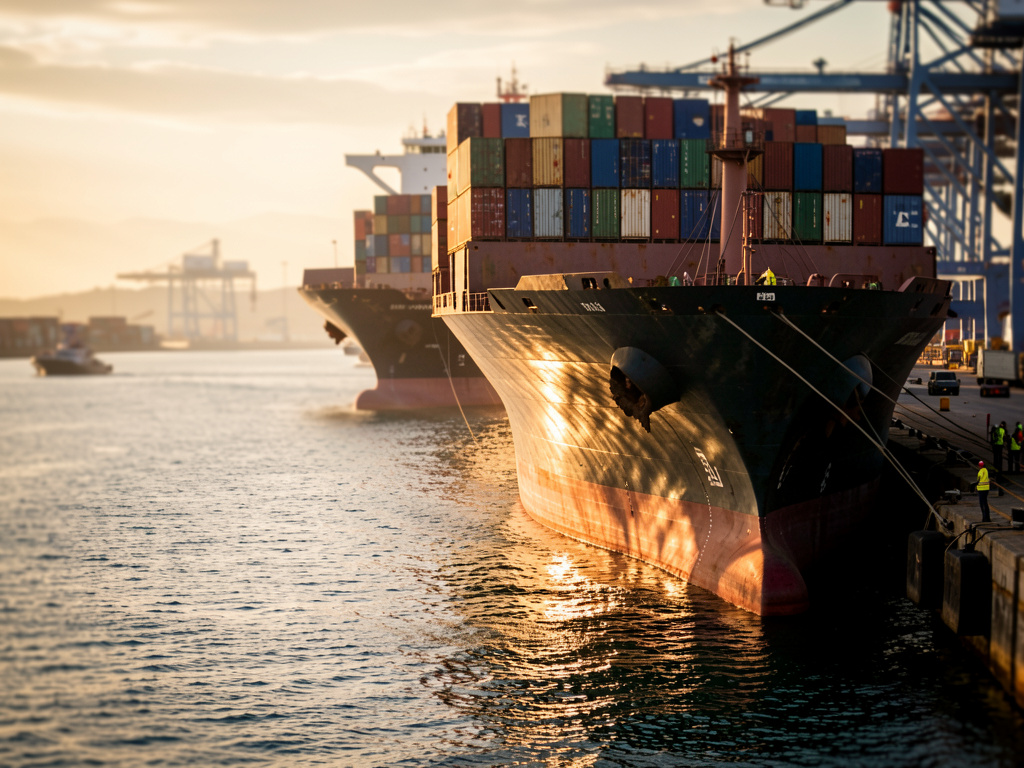
Cargo Delivery from China to Spain
Shipping Cargo from China to Spain: International Logistics, Customs Clearance, and Transportation Costs
Shipping goods and commercial shipments from China to Spain is a popular route in international logistics. Spain is one of the largest trade hubs in Southern Europe: through the ports of Valencia, Barcelona, Algeciras, and Bilbao, the country receives electronics, equipment, clothing, furniture, auto parts, construction materials, raw materials, and various consumer goods. The transportation of cargo from China to Spain requires not only the selection of suitable transport but also the proper preparation of documents, calculation of customs duties, verification of European Union requirements, and organization of delivery to the final address.
The final price and delivery time are influenced by the route, mode of transport, volume and weight of the cargo, Incoterms delivery conditions, type of packaging, need for consolidation, seasonality, port of departure, and destination. Therefore, the cost of shipping from China to Spain cannot be defined by a single fixed figure without initial data. However, it is possible to assess the main logistics options in advance, understand the structure of expenses, and choose the optimal delivery scheme.
Features of Shipping Cargo from China to Spain
International transportation from China to Spain involves several sequential stages: purchasing and inspecting the goods, preparing the cargo at the supplier's warehouse, packaging, labeling, export clearance, transportation, arrival in the EU, customs clearance, delivery within Spain, and handing over the goods to the recipient. Each stage affects the final cost and timelines.
China and Spain are located at a significant distance from each other, so cargo can be transported via sea, rail, road, or air routes. Sometimes a multimodal scheme is used, where the goods are transported by several modes of transport. For example, the cargo is delivered by truck from the factory to the railway terminal, then transported by train to Europe, and after arrival, it is moved by road to a warehouse in Spain.
When organizing the shipment, it is important to determine in advance who is responsible for each segment of the route. This is established in the Incoterms conditions. If EXW is used, the buyer assumes almost all responsibilities from the moment the cargo is received at the factory. Under FOB, the Chinese supplier delivers the goods to the port and completes export formalities, while the buyer pays for the main international transportation. With CIF, the seller organizes sea delivery and insurance to the specified port, but import clearance in Spain usually remains the buyer's responsibility. Under DDP, the logistics operator arranges delivery, customs clearance, and payment of import duties to the final address.
The nature of the goods is also significant. Electronics, batteries, cosmetics, food products, medical devices, chemical products, and goods with radio modules may be subject to special requirements. For these items, certificates of conformity, declarations, sanitary documents, permits, test protocols, or safety confirmations may sometimes be required.
Main Types of Shipping from China to Spain
Sea Shipping from China to Spain
Sea freight is the most common method for shipping large batches. It is chosen for transporting containers, equipment, furniture, clothing, electronics, and other goods that do not require urgent delivery.
The cargo can be transported in a full container (FCL) or as part of a consolidated shipment (LCL). In FCL, the container is reserved for one shipper. This option is convenient for large volumes, as it reduces the risk of damage during transshipment and does not require combining cargo with products from other companies. Consolidated shipping (LCL) is suitable for smaller batches when renting an entire container is not economically viable.
The main ports of departure in China are Shanghai, Ningbo, Shenzhen, Guangzhou, Qingdao, Xiamen, and Tianjin. In Spain, Valencia, Barcelona, Algeciras, and Bilbao are frequently used. After unloading at the port, the cargo undergoes import clearance and is sent to a warehouse, terminal, or directly to the recipient.
The advantage of sea shipping is the relatively low cost per kilogram or cubic meter. The downside is the longer transit time and dependence on port congestion, weather conditions, vessel schedules, and control procedures. On average, sea shipping from China to Spain takes about 30-50 days, but the total time, considering consolidation, port operations, and customs, may be longer.
Rail Transport
Rail delivery is usually considered a compromise between sea and air transport. Trains allow for faster cargo transport than ships and are cheaper than planes. This method can be used for electronics, components, goods for marketplaces, industrial equipment, and batches where predictability of timelines is important.
The railway route passes through several transit countries and terminals. Depending on the current geopolitical situation, available corridors, and cargo requirements, the route may change. Therefore, the delivery time must be confirmed just before shipping.
The estimated delivery period by rail from China to Spain often ranges from 18 to 35 days. This includes delivery to the terminal, loading, transit, possible transshipments, customs clearance at the EU border, and the last mile within Spain. The cost depends on the volumetric weight, type of wagon or container, departure and destination stations, as well as whether the transport is direct or multimodal.
Air Delivery from China to Spain
Air transport is used for urgent, expensive, compact, or time-sensitive cargo. Airplanes carry product samples, expensive electronics, spare parts, medical devices, documents, small batches for sales launches, and high-value goods per weight unit.
The main advantage of air delivery is speed. On average, transportation takes from 3 to 10 days, considering delivery to the airport, processing, customs, and courier delivery within Spain. However, the price is significantly higher than for sea and rail options.
When calculating the rate, the air carrier considers not only the actual weight but also the volumetric weight. If the cargo takes up a lot of space with a small actual weight, the payment is calculated based on the volumetric measurement. Therefore, packaging for air delivery should be compact, durable, and meet the airline's requirements.
Road and Multimodal Delivery
A direct road route from China to Spain is usually complex and expensive, so in practice, combined schemes are more often used. For example, the cargo is delivered by truck to a railway or sea terminal, then transported by the main mode of transport, and after arriving in Europe, it is handed over for road delivery.
Multimodal logistics is convenient as it allows for a balance between time and cost. The forwarder coordinates various sections of the route, controls documents, transshipments, and the transfer of cargo between carriers. For the client, this reduces the need to interact with multiple companies independently.
How Much Does Delivery from China to Spain Cost
What Makes Up the Cost of Transportation
The price of delivery from China to Spain is formed from several groups of expenses. The calculation may include:
pickup of goods from the supplier in China;
delivery to the port, airport, or railway terminal;
export clearance;
packaging, palletizing, and labeling;
international freight;
insurance;
consolidation of consolidated cargo;
port and terminal fees;
import customs clearance;
customs duties;
import VAT;
warehouse storage;
delivery within Spain;
processing of permit documents;
broker and forwarder services.
Not all expenses are always included in the base rate. Sometimes the carrier only specifies the cost of international freight, while terminal fees, delivery to the warehouse, and customs support are calculated separately. Therefore, when comparing offers, it is essential to request not only the price per kilogram or container but also a complete calculation based on the "door-to-door" scheme.
Estimated Rates for International Freight Transportation
The cost of international delivery depends on the chosen mode of transport, route, cargo characteristics, and transport conditions. For preliminary budget calculations, you can use estimated timeframes and cost ranges. It is important to note that the specified amounts are approximate: the final rate is calculated individually after clarifying the shipment parameters.
Sea delivery of consolidated cargo (LCL) is suitable for small batches of goods that do not fill an entire container. The cost is usually calculated based on the volume of cargo in cubic meters, as well as its weight and handling features. The estimated delivery time is 35 to 60 days. The cost may start from several hundred euros per cubic meter. Additional charges may apply for consolidation, loading and unloading operations, port processing, customs clearance, and delivery to the final recipient.
Full Container Load (FCL) sea shipping is advisable for transporting large batches of goods when the customer requires a separate container. In this case, the rate depends on the type of container, the route, the ports of departure and destination, as well as the seasonal workload of shipping lines. The average estimated time is 30–50 days, and costs can start from several thousand euros per container. When budgeting, it is important to also consider port fees, ground transportation, customs duties, and potential storage expenses.
Rail transport is an alternative to sea and air shipping, especially for transporting goods along routes with developed rail networks. It allows for a balance between delivery times and costs. The estimated transport time is 18–35 days. The rate typically depends on the weight and volume of the shipment, the route, the type of wagon or container, and the need for transloading at intermediate terminals. In terms of cost, rail transport often occupies a middle ground between sea and air shipping, but the specific ratio depends on the direction.
Air freight is suitable for urgent shipments, high-value goods, product samples, and cargo for which delivery speed is crucial. The estimated time is 3–10 days. The cost is often calculated per kilogram of chargeable weight, which is determined based on the actual and dimensional weight of the cargo. Preliminary rates can start from a few euros per kilogram, but for certain destinations, product categories, and urgent shipments, it can be significantly higher. It is also important to consider fees for cargo handling, document processing, and delivery to the recipient.
Express delivery is intended for small packages, documents, and commercial shipments that need to be delivered as quickly as possible. Depending on the destination, delivery can take 2–7 days. This method is usually more expensive than standard air freight, as the cost includes expedited processing, an extensive courier network, and door-to-door delivery. The final rate depends on the weight and dimensions of the shipment, the destination country, the chosen service, and additional services.
What factors influence the final cost?
Even on the same route, rates can vary significantly. The price of transportation is influenced by seasonality, the availability of free containers and transport capacities, fuel costs, port and terminal congestion, currency fluctuations, the characteristics and category of the goods, as well as packaging and handling requirements.
The terms of delivery are also crucial: who pays for transportation on specific segments of the route, who organizes customs clearance, and whether terminal handling, insurance, storage, and delivery to the final address are included in the offer. Therefore, when comparing offers from different logistics companies, it is important to check not only the base rate but also the complete list of included services.
How to get a more accurate estimate?
To determine the cost of transportation, it is necessary to know the country and city of departure, the destination, the type of goods, the number of cargo units, the total weight, volume, and dimensions of the packaging. It is also important to clarify whether door-to-door delivery, customs clearance, insurance, and other additional services are required.
The timelines and price ranges mentioned above should be viewed solely as preliminary guidelines, not as a current offer from the carrier. The exact rate can only be determined after clarifying the route, cargo parameters, and delivery conditions.
How to reduce shipping costs
Logistics expenses can be reduced through proper preparation of the shipment. It is important to optimize packaging, use standard pallets, consolidate goods from several suppliers in advance, and avoid frequent small shipments. If time allows, sea transport is usually the most cost-effective for heavy and bulky cargo.
It is advisable to agree on the delivery terms with the Chinese seller in advance. Sometimes the supplier offers their own delivery, but its cost may be higher than the market rate or may not include import payments in Spain. It is essential to clarify who pays for freight, port fees, brokerage services, VAT, and delivery to the final warehouse.
It is also important to accurately specify the characteristics of the cargo. Errors in weight, volume, or the number of units can lead to rate recalculations, delays, and additional charges.
Customs clearance of goods in Spain
Main EU customs requirements
Spain is a member state of the European Union, so imports from China are processed according to EU customs legislation. To release goods, it is necessary to correctly determine the HS code, customs value, country of origin, and purpose of the products.
For commercial imports, companies usually require an EORI number. This is used to identify the importer when interacting with EU customs authorities. Without the appropriate registration data, the clearance process may be complicated.
The customs service checks documents, product descriptions, value, quantity, origin, and the compliance of the declared information with the actual cargo. If necessary, the cargo may be directed for inspection or additional confirmations may be requested.
What documents are needed
The following documents are typically used for cargo clearance:
commercial invoice;
packing list;
foreign trade contract;
transportation bill or waybill;
certificate of origin, if required;
export declaration;
insurance policy;
documents for the goods;
permits and certificates of conformity;
safety declarations;
documents to confirm customs value;
information about the importer and the EORI number.
For certain categories of products, additional documents may be required. For example, electrical equipment may require CE documents and a declaration of conformity, food products may need veterinary or sanitary documents, and wooden packaging may require confirmation of treatment according to ISPM 15 standards.
Customs duties and VAT
The amount of duty is determined by the product code, its origin, and customs value. The customs value usually includes the price of the product and costs associated with delivery to the EU border, if provided for in the calculation rules.
After determining the duty, the import VAT is calculated. In Spain, the standard VAT rate is 21%, although reduced rates may apply to certain categories. The specific calculation depends on the nature of the goods, their purpose, and the status of the importer.
It is important to note that customs payments are not always included in the logistics company's tariff. If the carrier offers DDP delivery, it is necessary to clarify how the import is processed, who acts as the declarant, and what documents the customer receives. An opaque scheme can create tax and legal risks.
How customs clearance works
Document preparation before shipment
Customs preparation is best started before shipping from China. The importer or their broker checks the product code, the need for certificates, restrictions, and the amount of expected payments. At this stage, it is important to ensure that the description in the invoice matches the actual goods.
General terms like “accessories,” “parts,” or “electronics” should not be used if they do not reveal the purpose and characteristics of the products. The more precise the description, the lower the likelihood of additional requests.
Filing the declaration
After the cargo arrives in Spain, the customs representative submits the import declaration electronically. It includes information about the goods, sender, recipient, value, origin, classification code, and transport document.
The customs may automatically accept the declaration, request documents, or assign a physical inspection. If the information is complete and payments are made, the cargo is released for free circulation within the EU.
Receiving the cargo
After release, the goods are transferred to a temporary storage warehouse, terminal, or transport company. Delivery to the buyer's address is then organized. If the cargo consists of several batches, it is necessary to ensure that all items are released and handed over to the recipient.
In case of delays, it is important to find out the reason: lack of documents, discrepancies in value, incorrect code, need for inspection, outstanding payments, or issues with the transport bill.
Main companies and participants in cargo transportation
International freight forwarders
The forwarder organizes the route, selects carriers, reserves space, checks documents, and coordinates the movement of cargo. They can offer sea, rail, air, or multimodal schemes.
When choosing a forwarder, it is important to check their experience with the China-Spain route, the presence of partners in China and the EU, the possibility of door-to-door delivery, transparency of calculations, and insurance conditions.
Shipping lines
Sea container transportation is carried out by large international shipping lines. They provide container equipment, ocean freight, and vessel schedules. However, the shipping line does not always handle customs clearance and delivery to the warehouse, so the involvement of a freight forwarder or broker is usually required.
Courier and Air Logistics Companies
International courier services and air carriers are used for small urgent shipments. They can arrange for pickup, air delivery, customs clearance, and delivery to the address. This format is convenient for samples and small batches, but its cost is often higher than standard air freight.
Customs Brokers
A customs broker represents the interests of the importer before customs authorities. They prepare declarations, verify documents, calculate payments, and respond to inspection requests. A broker must have a good understanding of European requirements and product classification.
Delivery Times from China to Spain
The transportation time depends not only on the distance. It is influenced by the readiness of the goods, the speed of document processing, availability on the vessel or aircraft, port handling, transit restrictions, customs control, and delivery within Spain.
Approximately, the following stages can be identified:
Preparation of goods by the supplier – from 2 to 10 days.
Pickup of cargo and delivery to the terminal – from 1 to 7 days.
Export clearance – from 1 to several working days.
International transportation – from 3 days for air to 50 or more days for sea.
Customs clearance in Spain – from one day to several weeks.
Delivery to the final address – from 1 to 7 days.
When planning a shipment, it is essential to allow for extra time. This is especially important before the New Year, Chinese holidays, sales periods, and peak season in European ports. During these times, production, consolidation, transportation booking, and terminal procedures take longer.
Cargo Insurance and Carrier Liability
Insurance protects the importer from financial losses due to damage, loss, or partial destruction of goods. The risk is particularly high with complex multimodal routes, numerous transshipments, and the transportation of fragile products.
The standard liability of the carrier may be limited by international regulations and the terms of the contract. It does not always cover the full value of the goods, so for expensive shipments, it is advisable to obtain a separate insurance policy.
Before signing a contract, it is necessary to check:
what risks are covered;
whether the insurance covers loading and unloading;
whether theft, moisture damage, and packaging damage are included;
what documents are needed in case of an insured event;
whether there is a deductible;
the timeframe for submitting a claim.
The cargo must also be properly packaged. If the goods are damaged due to inadequate packaging, the insurance company may deny compensation.
How to Choose a Reliable Logistics Company
When selecting a carrier, do not focus solely on the lowest price. A very low rate sometimes means that port fees, delivery within Spain, customs clearance, or document processing are not included in the calculation.
A reliable company should provide:
detailed calculations of all expenses;
a description of the route;
estimated timelines for each stage;
a list of necessary documents;
information about customs clearance;
insurance conditions;
cargo tracking procedures;
contract and responsibilities of the parties;
contact information for representatives in China and Spain.
It is helpful to request several commercial offers and compare them under the same conditions. Each request should specify the city of departure, city of delivery, type of goods, number of packages, weight, volume, value, Incoterms conditions, and desired timeframe.
Common Mistakes in Shipping from China to Spain
One of the most common mistakes is sending goods without prior verification of EU requirements. If the product requires certification and the documents are missing, the cargo may be delayed or returned.
Another risk is incorrect product description and wrong HS code. This leads to recalculation of duties, additional inspections, and possible fines. It is not permissible to artificially lower the value in the invoice: customs has the right to request proof of payment, contracts, catalogs, and bank documents.
Problems also arise when choosing inappropriate packaging. Fragile items must be secured inside the box, pallets need moisture protection, and wooden containers must meet international requirements.
Finally, it is important not to confuse delivery to the port with delivery to the door. The offer "China-Spain" may only refer to transportation between terminals. All additional services must be specified in the contract.
Shipping goods from China to Spain is a multi-stage process that includes transportation, export and import clearance, payment of customs duties, certification, and delivery to the final recipient. For large shipments, sea transport is usually more cost-effective, while air transport is preferred for urgent and expensive goods, and rail transport can be an optimal intermediate option.
To calculate the cost of shipping from China to Spain, it is necessary to specify the characteristics of the cargo, the route, the mode of transport, the Incoterms conditions, and the time requirements. The final price consists not only of international freight but also of handling costs, terminal operations, customs, VAT, insurance, and delivery within Spain.
The safest approach is to check in advance the possibility of importing the goods into the EU, prepare a complete set of documents, choose an experienced freight forwarder, and obtain a detailed quote for the "door-to-door" scheme. This helps reduce the risk of delays, unexpected payments, and issues during customs clearance.