

 RU
 UA
 DE
 FR
 ES
 CN
 SA
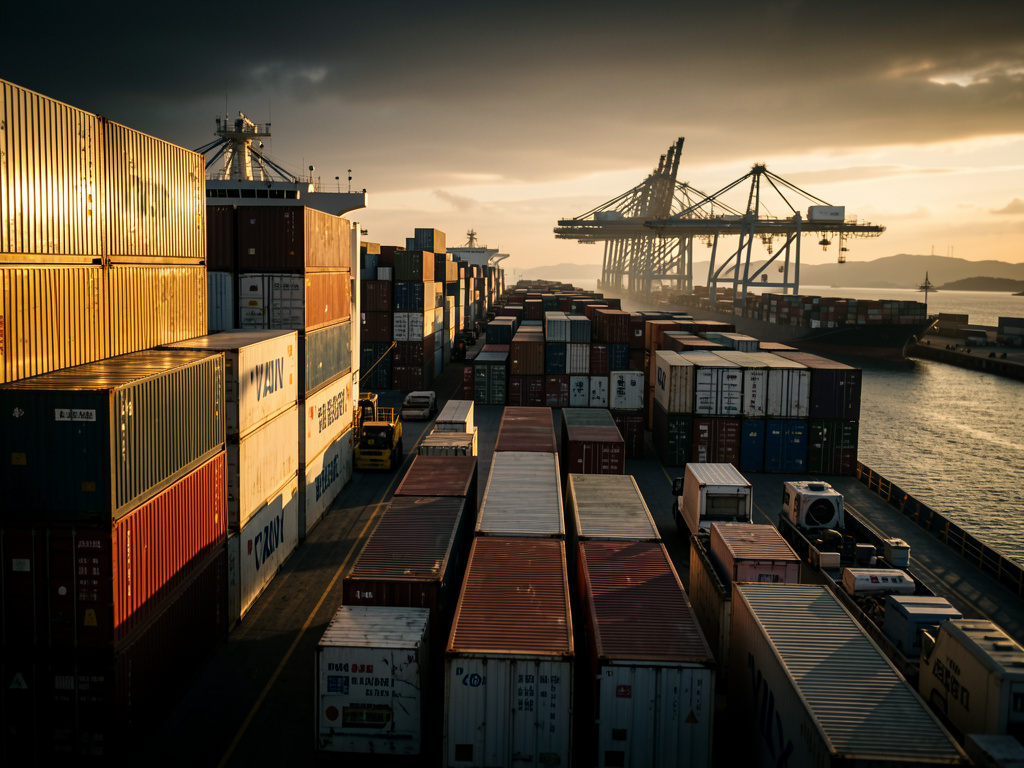
Cargo Delivery from China to Sweden
Shipping Goods from China to Sweden: Companies, Prices, Timelines, and Customs Clearance in the EU
Shipping products from China to Sweden is in high demand among online stores, manufacturing companies, distributors, and individual entrepreneurs. China remains one of the largest global manufacturing hubs, which is why Swedish companies regularly source electronics, equipment, textiles, furniture, auto parts, packaging, industrial products, and various consumer goods from there.
Organizing transportation along the China-Sweden route requires consideration of numerous factors: type of transport, cargo characteristics, Incoterms delivery conditions, route, need for consolidation, insurance, customs clearance, and tax payments. Mistakes at any stage can lead to delays, additional costs, warehouse downtime, and issues with regulatory authorities.
This article provides a detailed overview of the main methods for shipping goods from China to Sweden, popular logistics companies, estimated prices, shipping timelines by sea, rail, road, and air, as well as the customs clearance process in the European Union.
Main Features of Shipping Goods from China to Sweden
Transporting goods from China to Sweden typically involves several sequential stages. First, the supplier prepares the product, after which the cargo is picked up from the warehouse or factory in China. Next, document verification, packaging, labeling, consolidation, export clearance, and dispatch via the chosen mode of transport are carried out.
Upon arrival in Europe, the cargo undergoes import procedures. Depending on the route and contract terms, it may be cleared in the first EU entry country or directly in Sweden. The goods are then delivered to the recipient's warehouse, distribution center, or final address.
The final shipping cost is influenced by:
the country and city of departure in China;
the delivery address in Sweden;
the weight and volume of the shipment;
the type of cargo;
the mode of transport;
the need to pick up the goods from the supplier;
the delivery terms;
seasonality;
fuel costs;
port and terminal fees;
customs duties;
insurance;
additional services from the freight forwarder.
It is important to distinguish between the transportation price and the total logistics cost. A low sea freight rate does not always mean cheap overall delivery. Additional costs for document processing, terminal handling, storage, delivery from the port, customs representation, and transport to the warehouse may apply.
What Types of Goods Are Most Commonly Shipped from China to Sweden
Almost all categories of goods permitted for international trade are transported between China and Sweden. The most common include:
electronics and household appliances;
components for manufacturing;
furniture and home goods;
clothing, footwear, and accessories;
toys and sports goods;
industrial equipment;
auto parts;
lighting fixtures;
construction materials;
packaging products;
batteries and electrical components;
products for marketplaces.
Some categories have additional requirements. For example, electrical equipment must comply with European safety standards, products may require CE marking, and special control rules apply to chemicals, food products, and medical devices.
Why It Is Important to Choose Delivery Terms Correctly
When concluding a foreign trade contract, the parties use Incoterms rules. These define who pays for transportation, export and import clearance, insurance, loading, delivery to the terminal, and transportation to the final address.
In practice, terms like EXW, FOB, CIF, DAP, and DDP are commonly encountered. Under EXW, the buyer assumes almost all costs from the moment the goods are received at the factory. FOB implies the transfer of cargo on board the vessel at the Chinese port, while CIF includes sea transport and insurance to the destination port. DAP provides for delivery to the specified location without paying import taxes, whereas DDP entails maximum responsibilities on the part of the seller or logistics operator.
Before signing the contract, it is essential to verify that the chosen term aligns with the actual trading scheme and EU legislation requirements. Special attention should be paid to DDP: not every supplier is authorized to act as an importer in the European Union, and an incorrectly structured scheme can lead to tax and customs risks.
Main Delivery Methods from China to Sweden
The choice of transport depends on urgency, product cost, volume, weight, and preservation requirements. For large commercial shipments, sea freight is most commonly used. Rail delivery is suitable for those who need a balance between speed and price. Air freight is chosen for urgent, expensive, and compact cargo. Road transport is typically used for the European segment of the route.
Sea Delivery from China to Sweden
Sea freight remains the most economical option for large and heavy shipments. Containers are dispatched from Chinese ports, after which the cargo arrives at one of the European ports and is delivered to Sweden by road or rail.
For the China–Sweden route, ports such as Shanghai, Ningbo, Shenzhen, Guangzhou, Qingdao, and Xiamen can be used. In Europe, the cargo may pass through the ports of Gothenburg, Hamburg, Rotterdam, Bremerhaven, Gdansk, or other logistics hubs. The specific option depends on the shipping schedule, transshipment costs, container type, and the final recipient's address.
Sea delivery can be either full container load (FCL) or less than container load (LCL). With FCL, the client rents an entire container—20-foot, 40-foot, or 40-foot High Cube. This format is advantageous for large volumes, reduces the risk of contact with other cargo, and allows for better control over timelines. LCL is used when the shipment does not fill the container completely. In this case, the cargo is combined with shipments from other clients, and payment is calculated based on volume or weight.
Advantages of sea transportation include:
low cost per unit of goods;
the ability to ship large and heavy shipments;
a wide range of container solutions;
convenience for regular deliveries;
the possibility of transporting oversized cargo.
Disadvantages include long delivery times, dependence on shipping schedules, port delays, potential terminal congestion, and the need to arrange delivery from the port to the warehouse.
Rail Delivery China–Sweden
Rail transportation occupies an intermediate position between sea and air transport. It is usually faster than the sea route but cheaper than air freight. This option may be appealing for goods with stable demand, seasonal products, components, and shipments for which sea delivery is too slow.
Depending on the chosen route, the train may pass through Central Asian countries, Russia, Belarus, and then into Europe or through alternative directions. When selecting a route, it is essential to consider existing restrictions, transit requirements, sanctions regimes, terminal availability, and the possibility of further transportation within the EU.
The rail delivery time can range from approximately 20 to 40 days; however, the actual time depends on border procedures, container transloading, terminal capacity, and the current geopolitical situation. For Sweden, the rail route typically includes additional road delivery from the European terminal.
Air Freight from China to Sweden
Airplanes are used for urgent transportation of small, expensive, or time-sensitive cargo. This can include product samples, electronics, medical devices, spare parts, documents, sales launch products, and high-demand items.
The main advantage of air delivery is speed. Under standard conditions, cargo can arrive in Sweden within 3–10 business days, considering pickup, export clearance, air transportation, import procedures, and delivery to the recipient. However, costs are calculated based on actual or volumetric weight and can be significantly higher than sea rates.
Air freight requires special attention to packaging and content restrictions. International IATA regulations apply to batteries, aerosols, liquids, chemicals, and other hazardous materials. It is necessary to clarify in advance whether the airline accepts a specific type of cargo and what documents will be required.
Road Delivery in Europe
Road transport is most often used for the final segment of the route. After the container arrives at the European port, the cargo is delivered to Sweden by truck, container carrier, or specialized vehicle. This option provides flexibility and allows for direct delivery to the client's warehouse.
A multimodal scheme is also possible, where the container is transported by sea to a European port and then sent by road to Sweden without transloading the cargo itself. This reduces the risk of damage and simplifies supply chain control.
Consolidated Cargo Delivery from China to Sweden
LCL shipping is suitable for companies that do not need a full container. In this case, several shipments from different senders are placed in one vehicle. The client pays only for the actual volume or weight occupied.
The main advantage of LCL shipping is cost savings for small volumes. The entrepreneur does not have to pay for empty space in the container, which is especially important for test purchases, small batches, and regular deliveries of goods for online stores.
However, consolidated shipping usually takes longer than FCL. The cargo needs to be delivered to a consolidation warehouse, sorted, processed, and combined with other shipments. After arriving in Europe, deconsolidation, sorting, and further delivery are carried out.
Before shipping, it is necessary to clarify:
the minimum payable volume;
the rules for calculating volumetric weight;
a list of prohibited goods;
the availability of insurance coverage;
the storage period at the warehouse;
the procedure for handling damages;
the location of customs clearance;
whether delivery to the address is included in the stated rate.
For goods that may be damaged during joint transportation, additional packaging is required. Fragile items should preferably be placed on pallets, use cushioning materials, and have warning labels applied.
Main companies organizing cargo transportation from China to Sweden
International freight forwarders, container lines, air logistics operators, courier services, and specialized companies working with imports to the EU handle cargo delivery from China to Sweden.
Large international logistics groups typically offer a full range of services:
pickup of goods from the Chinese supplier;
consolidation of shipments;
ocean, rail, or air transportation;
export clearance;
insurance;
customs representation;
warehouse processing;
delivery within Sweden;
preparation of reporting documents.
Among the well-known international operators in the container shipping market are Maersk, MSC, CMA CGM, COSCO, Hapag-Lloyd, and others. They provide maritime services and operate through agency networks and freight forwarding companies. For air transportation, DHL Global Forwarding, Kuehne+Nagel, DB Schenker, DSV, and other international logistics groups may be used.
The Port of Gothenburg plays an important role in Sweden—one of the largest container ports in Scandinavia. Significant volumes of foreign trade cargo, including supplies from Asia, pass through it. Cargo can also be delivered through ports in Germany, the Netherlands, Poland, and other EU countries.
How to choose a reliable carrier
When selecting a logistics company, do not focus solely on the lowest price. It is essential to compare the total cost, including delivery, clearance, terminal fees, and last-mile delivery.
Check:
Does the company have experience in shipping specifically to Sweden.
Does it handle imports to the EU.
Does it provide a transparent calculation with a list of included services.
Is there insurance for the carrier's liability.
How is the cargo tracked.
Who will be listed as the importer.
Is delivery to the warehouse included.
What documents does the client receive.
Are there restrictions on specific goods.
How does the company handle delays and damages.
A good forwarder will inform in advance about the expected route, timelines, list of documents, and possible additional costs. If the carrier promises unrealistically low prices without details, it is necessary to request a written commercial offer and clarify whether there will be additional charges after the cargo arrives.
How much does it cost to ship from China to Sweden
The exact price is calculated individually. There is no universal rate for the China-Sweden route, as the cost depends on the characteristics of the cargo, the route, delivery conditions, and the current market situation.
The cost structure may include:
transportation from the factory to the Chinese terminal;
export clearance;
consolidation;
ocean, rail, or air freight;
insurance;
loading and unloading;
port fees;
terminal processing;
transit services;
customs clearance;
import duties;
VAT;
delivery within Sweden;
storage;
courier or warehouse processing.
Estimated Rates by Mode of Transport
Below are approximate ranges used only for preliminary assessment. The actual rate depends on the season, port, carrier, type of cargo, weight, and volume.
| Delivery Method | Estimated Time | Approximate Cost Level |
|---|---:|---:|
| Sea Freight LCL | 35–60 days | calculated per m³ or chargeable weight |
| Sea Container FCL | 35–60 days | depends on container type and port |
| Rail Transport | 20–40 days | higher than sea, lower than air |
| Air Freight | 3–10 business days | calculated by kg or volumetric weight |
| Express Delivery | 2–7 business days | the highest rate |
Sea freight prices can vary significantly depending on the season, availability of containers, port congestion, fuel costs, and the situation on international routes. During peak demand periods, rates often increase, and available space on vessels must be booked in advance.
How Sea Freight Costs Are Calculated
For FCL, factors include the type of container, port of departure, port of arrival, shipping conditions, booking time, terminal fees, and additional services. The cost for a 20-foot container may differ from the rate for a 40-foot container not proportionally to its volume, so the choice of format should be made after calculating the load.
For LCL, payment usually depends on volume in cubic meters, weight, and the minimum billing unit. The forwarder may apply the "weight or volume - whichever is greater" rule or use special coefficients.
Additional charges may apply to the sea rate:
bill of lading fee;
documentation fee;
terminal fees;
container handling fee;
delivery charge to the warehouse;
inspection costs;
storage;
import clearance;
demurrage and detention for container delays.
Therefore, when requesting a quote, it is advisable to ask not only for the freight cost but also for a "door-to-door" calculation.
Delivery Times from China to Sweden
The duration of transport depends on the chosen method, city of departure, destination port, and the need for customs clearance. It is important to note that the stated transportation time may not include preparation of the cargo at the factory, consolidation, and delivery to the shipper.
Average Times by Mode of Transport
Sea delivery usually takes about 35–60 days. In the case of consolidated shipments, the time may be longer due to consolidation and deconsolidation. FCL container shipments often proceed faster, especially if the vessel departs directly or with minimal transshipments.
Rail transport can take approximately 20–40 days. Duration is affected by border checks, container transloading during gauge changes, restrictions on certain sections, and terminal operations.
Air delivery typically takes 3–10 business days. Express shipments can be delivered faster, but for commercial batches, time for document preparation and import clearance must be considered.
Road delivery from a European port to Sweden can take from a few days to two weeks, depending on distance, queues, route, and carrier load.
Causes of Delays
The main causes of delays include:
errors in the invoice or packing list;
incorrectly specified HS code;
absence of required documents;
labeling discrepancies;
customs inspections;
port congestion;
shortage of containers;
weather conditions;
strikes;
changes in vessel schedules;
delays in fee payments;
issues with the supplier.
To minimize risks, it is essential to prepare documents in advance, inspect the goods before shipment, agree on packaging, and ensure prompt communication between the supplier, carrier, and recipient.
Customs Clearance of Goods in Sweden and the European Union
Sweden is part of the European Union, so imports from China are regulated by EU customs legislation. Goods arriving from outside the EU must undergo import clearance, and the recipient is required to comply with tax, product safety, and transaction documentation requirements.
For customs clearance, the following are usually required:
commercial invoice;
packing list;
transport document;
foreign trade contract;
product description;
commodity nomenclature code;
manufacturer information;
certificates and declarations of conformity;
documents of origin;
power of attorney for customs representative;
importer data.
In some cases, additional documents may be required: licenses, permits, sanitary certificates, veterinary documents, certificates of origin, documents for batteries, or safety declarations.
EORI and Importer Status
A company importing goods into the EU typically must have an EORI number. It is used for customs declaration and identifies the participant in foreign economic activity.
The importer must understand that they are responsible for the accuracy of the information, product classification, tax payment, and compliance with EU requirements. Before starting shipments, it is necessary to determine who will be listed as the importer: a Swedish company, another European entity, or a logistics operator with legal grounds.
A formal promise of "delivery with customs clearance" does not automatically relieve the buyer of obligations. It is important to clarify who pays the taxes, who provides the EORI, who is responsible for product compliance, and what documents will be transferred after the cargo is released.
Determining the Product Code
The customs code affects the amount of duty, the need for permits, and the measures of control applied. Incorrect classification can lead to additional payments, fines, delays, and further inspections.
To determine the code, one must consider the product's purpose, material, design, technical specifications, and method of use. The code cannot be chosen solely based on the commercial name from the supplier's catalog. In case of doubts, it is advisable to consult a customs broker or request a preliminary decision from the competent authority.
Duties and VAT
Import duty is calculated based on the product code and the current EU tariff system. Its rate can range from zero to a significant percentage. Anti-dumping measures, quotas, special fees, or additional requirements may apply to certain products.
VAT on imports to Sweden is calculated based on the customs value, duty, and some related expenses. The standard Swedish VAT rate is 25%, but reduced rates may apply to certain categories of goods. The exact rate should be verified for specific products and import conditions.
The customs value is usually based on the product price, but transportation, insurance, and other costs up to the point of entry into the EU may be added. Therefore, the invoice must be accurate and reflect the actual commercial transaction.
EU Requirements for Goods from China
A single customs declaration is not enough. Products placed on the EU market must comply with European safety, labeling, environmental, and consumer protection requirements.
Different categories of goods may require:
CE marking;
technical documentation;
EU declaration of conformity;
instructions in the required language;
REACH requirements;
RoHS regulations;
electrical safety standards;
packaging requirements;
environmental obligations;
battery and electronics disposal rules;
sanitary and phytosanitary standards.
The importer in the EU is often considered the responsible economic operator and must ensure that the products meet the established requirements. If the goods do not comply with the standards, they may be detained, prohibited from release, or require destruction or return to the supplier.
Particular attention should be paid to children's products, electronics, toys, cosmetics, medical products, personal protective equipment, chemicals, food products, and goods with batteries. Separate rules apply to each category.
Packaging, Labeling, and Cargo Insurance
Quality packaging is essential to protect the goods during multiple transshipments. Sea transport is accompanied by vibrations, temperature fluctuations, humidity, and prolonged storage in containers. To protect the products, pallets, cardboard boxes, wooden frames, moisture-absorbing materials, foam, and air cushions are used.
If wooden packaging is used, it must comply with international ISPM 15 requirements. The treated wood must have special marking. Non-compliance may lead to cargo delays or a requirement to replace the packaging.
The labeling must contain information necessary for the identification of the product and its safe handling. For certain categories of products, hazard symbols, indication of the country of origin, serial numbers, information about the importer, and instructions in the language of the country of sale are mandatory.
Insurance is recommended even for the transportation of standard goods. The carrier's liability is often limited, and compensation may not be calculated based on the full commercial value of the product. An insurance policy helps cover risks of damage, loss, accidents, fire, flooding, and other unforeseen events.
How to Organize Cargo Delivery from China to Sweden
The practical organization of transportation begins with preparing the product specifications. It is necessary to specify the name, quantity of packages, total weight, dimensions of the packaging, volume, value, presence of batteries or other restricted components, the factory address, and the delivery address in Sweden.
Next, the transportation scheme is chosen. For large shipments, FCL-sea is often more suitable, for smaller ones — LCL, for urgent shipments — air, and for intermediate timelines — rail or multimodal routes.
The optimal order of actions is as follows:
Check the supplier and product specifications.
Prepare the invoice and packing list.
Determine the product code.
Check EU requirements.
Select a carrier or freight forwarder.
Request a shipping quote to the desired address.
Agree on Incoterms.
Book transportation.
Organize cargo pickup.
Check export documents.
Track the shipment.
Prepare import documentation.
Pay duties and VAT.
Receive the cargo at the warehouse in Sweden.
Before shipping, it is advisable to order an inspection of the goods at the factory. The inspection allows identifying shortages, defects, incorrect packaging, and other issues before the cargo leaves China.
How to Reduce Shipping Costs from China to Sweden
Logistics costs can be reduced without compromising safety by optimizing the entire supply chain in advance. Key measures include:
comparing several routes;
consolidating small shipments;
using consolidation;
correctly selecting container size;
reducing empty space in packaging;
booking transportation in advance;
choosing a port with favorable fees;
coordinating delivery during the off-season;
checking all additional charges;
using multimodal schemes;
negotiating with the supplier on correct Incoterms;
avoiding urgent changes after shipment.
The cheapest option is not always the most advantageous. For example, prolonged sea transport can lead to product shortages, while excessive savings on packaging can result in damage. Therefore, the final calculation should consider not only the rate but also the cost of capital, storage, potential delays, and returns.
Common Mistakes When Importing from China to Sweden
One common mistake is the lack of a precise product description. If the invoice states a general name like "equipment" or "accessories," customs may request additional information and halt the clearance process.
Another issue is an incorrect product code. It affects duties, VAT, and regulatory requirements. Additionally, entrepreneurs sometimes fail to check whether CE marking or technical documentation is required.
Typical mistakes include:
understating the value on the invoice;
absence of a packing list;
incorrect weight declaration;
uncoordinated importer;
absence of EORI;
unaccounted delivery from the port;
ignoring restrictions on batteries;
lack of insurance;
choosing DDP without checking the seller;
absence of a contract with a customs representative;
non-compliance of the product with EU requirements.
To avoid these problems, it is better to involve a foreign trade specialist before the first shipment. A preliminary consultation is cheaper than correcting documents, paying fines, or returning an entire batch.
Shipping cargo from China to Sweden can be organized via sea, rail, road, air, or multimodal transport. Sea freight remains the most cost-effective option for large shipments, rail offers a compromise between cost and delivery times, air transport is suitable for urgent cargo, and road transport is often used for delivery from a European port to a warehouse in Sweden.
The cost of transportation depends on the volume, weight, route, type of goods, season, Incoterms conditions, and a range of additional services. When calculating, it is important to consider not only the carrier's tariff but also export documentation, terminal fees, insurance, customs duties, VAT, and the last mile.
Customs clearance in Sweden is carried out according to European Union regulations. The importer must have the necessary documents, correctly determine the product code, check product requirements, ensure the presence of EORI, and pay all mandatory taxes and fees.
The safest approach is to prepare documents in advance, verify the supplier, choose an experienced freight forwarder, and request a complete "door-to-door" delivery calculation. This helps control the budget, reduce delivery times, and avoid issues when passing through EU customs.