

 RU
 UA
 DE
 FR
 ES
 CN
 SA
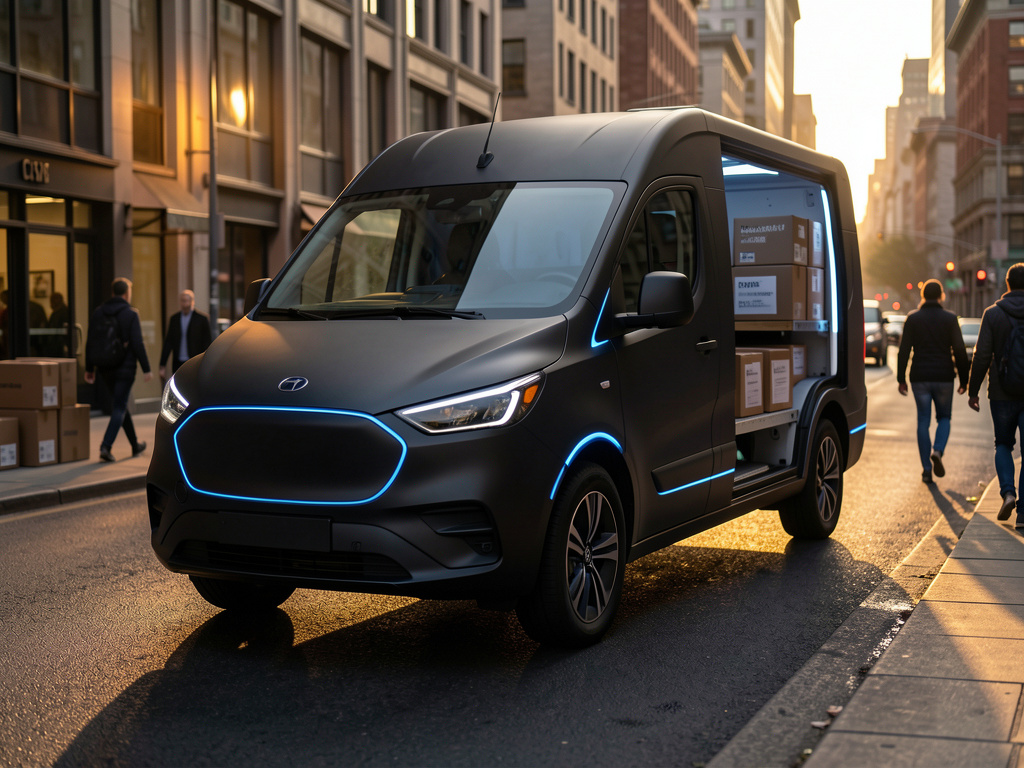
How Electric Vehicles Are Changing International Courier Logistics
How Electric Vehicles are Transforming International Courier Logistics
International courier delivery is undergoing a massive transformation. Just a few years ago, the backbone of last-mile and regional transportation consisted of diesel vans, gasoline cars, and large trucks with internal combustion engines. Today, more and more logistics companies are switching to electric transport, including electric vans, light commercial electric vehicles, electric bicycles, and electric cargo scooters.
The changes are not only driven by environmental concerns. Electric vehicles allow for new ways to manage transportation costs, reduce energy expenses, optimize courier delivery in urban areas, and comply with international regulations. However, the transition to eco-friendly logistics requires thoughtful infrastructure, investments, and a reevaluation of traditional business processes.
In this article, we will explore in detail how electric vehicles are changing international courier logistics, the impact they have on shipping, transportation costs, and delivery pricing, as well as why electric vans are becoming an essential part of the modern supply chain.
Why International Courier Logistics is Shifting to Electric Vehicles
The international delivery market is evolving under the influence of e-commerce, the growth of cross-border orders, and increasing customer demands for speed in transportation. Buyers want to receive goods quickly, track every shipment, and understand how eco-friendly their chosen delivery method is. For courier companies, this means the need to simultaneously enhance efficiency, reduce costs, and minimize negative environmental impact.
Traditional transport remains an important element of logistics; however, its operation is becoming increasingly expensive. Fuel prices can fluctuate significantly depending on geopolitical situations, taxes, import restrictions, and regional market characteristics. Additionally, many large cities are introducing low-emission zones where the movement of diesel vehicles is restricted or completely banned.
Electric vehicles allow logistics operators to partially reduce their dependence on unstable gasoline and diesel prices. The cost of energy for charging is often lower than the expenses for traditional fuel over comparable distances. This difference is particularly noticeable on last-mile routes, where the vehicle frequently stops, starts, and moves at low speeds. In such conditions, an electric motor operates more efficiently than an internal combustion engine.
The Rise of E-Commerce and Cross-Border Shipments
The growth of online stores has made courier delivery one of the key components of trade. Orders are moved between countries, sorting centers, warehouses, and pickup points. International shipping involves multiple stages: receiving goods, consolidating cargo, export clearance, air transport or sea delivery, import processing, and final delivery to the recipient.
Although electric vehicles cannot completely replace airplanes, ships, and long-haul trucks, they are actively used in warehouse areas, cities, suburbs, and distribution centers. It is in these areas that the carrier directly interacts with the recipient and bears the main reputational risks.
A courier company using electric vans can offer customers a more eco-friendly way to receive their orders. For businesses, this becomes a competitive advantage, especially if the sender is focused on ESG principles, environmental reporting, and reducing carbon footprints.
Pressure from Legislation and City Authorities
In many countries, authorities are tightening emissions requirements for transport. Cities are introducing low-pollution zones, tolls for vehicles with internal combustion engines, and restrictions on nighttime loading due to noise. Electric vans do not emit exhaust gases while in operation and operate significantly quieter.
This gives courier services the opportunity to complete more routes in central areas where the use of diesel transport is gradually becoming more challenging and expensive. Additionally, transitioning to an electric fleet helps companies comply with future environmental standards and prepare in advance for new requirements.
Electric Vans in Courier Delivery
Electric vans have become one of the most sought-after solutions for urban and regional logistics. They are suitable for transporting parcels, documents, food products, medical supplies, and small commercial cargo. Their design is typically optimized for daily operation with frequent stops and a large number of short routes.
Unlike passenger electric vehicles, electric vans have a larger cargo space and reinforced suspension. Modern models are equipped with charge monitoring systems, telematics, navigation, and fleet management software. This allows logistics companies to track energy consumption, battery status, driving style, and route compliance.
One of the main advantages is the lack of need to constantly warm up the engine. In cold weather, traditional vehicles can consume extra fuel while idling and heating. Electric models also require energy for the climate control system; however, their powertrain remains more efficient during frequent stops.
Advantages of Electric Vans
The main benefit of an electric van is the reduction in operating costs. The electric motor has fewer moving parts than an internal combustion engine. Therefore, it lacks many traditional components: a complex fuel delivery system, spark plugs, an exhaust system, engine oil, and several other parts.
Scheduled maintenance typically includes checking the braking system, tires, suspension, electrical equipment, and battery condition. Regenerative braking allows for partial energy recovery back into the battery while simultaneously reducing brake pad wear.
Noise reduction is also significant. An electric van can make deliveries in residential areas with lower noise levels. This is especially convenient for early morning or late evening routes, provided local regulations permit such operations.
Another factor is the improvement of the company's image. Branded electric vehicles demonstrate a commitment to eco-friendly logistics to clients. For international brands, this can become part of corporate strategy and marketing communication.
Limitations of Electric Transport
Despite the advantages, electric vans are not a universal replacement for all types of transport. Their main drawback is the dependence on battery capacity and the availability of charging infrastructure. Under full load, low temperatures, use of heating, or operation on highways, the range may decrease.
A courier company needs to consider charging time. If a vehicle is idle for several hours, it affects fleet utilization and the number of orders completed. Fast charging stations can speed up the process but require additional costs and may put a strain on the electrical grid.
An important limitation remains the initial price. An electric van often costs more than a comparable diesel model. However, it is incorrect to compare vehicles solely based on purchase price. It is necessary to analyze the total cost of ownership, including fuel or electricity, maintenance, taxes, insurance, downtime, and residual value.
How Electric Vehicles Affect Energy Costs and Transportation Expenses
Energy cost is one of the key factors in logistics. For traditional transport, the main variable expenses are gasoline or diesel fuel. For electric vehicles, this role is played by electricity. In most scenarios, charging an electric van is cheaper than refueling a comparable vehicle, especially when using night rates and private charging infrastructure.
However, the economic effect depends on operating conditions. The company must consider the electricity supplier's rates, the charging station's capacity, connection fees, equipment maintenance costs, and potential peak loads. If a large number of vehicles are charged simultaneously, electricity expenses may increase.
Comparison of Fuel and Charging Costs
For a proper comparison, it is necessary to use the cost per kilometer metric. It is calculated as follows: total energy costs divided by the distance traveled. It is important to consider actual consumption rather than just manufacturer data.
The consumption of an electric van is influenced by:
cargo weight;
air temperature;
route terrain;
average speed;
frequency of stops;
operation of heating and air conditioning;
condition of tires;
driving style;
vehicle load level.
For a diesel vehicle, similar factors include cargo weight, traffic jams, engine idling, and fuel price. In urban cycles, electric vehicles often show more favorable results due to the high efficiency of electric motors and the possibility of regeneration.
Total Cost of Ownership of an Electric Vehicle
Transportation expenses should be analyzed not only by purchase price. The total cost of ownership includes:
acquisition or leasing of a vehicle;
insurance;
maintenance;
repair;
energy costs;
replacement or degradation of the battery;
charging infrastructure;
parking fees and city charges;
losses from downtime;
residual value upon sale.
On short urban routes, an electric vehicle can pay off faster, as it covers many kilometers daily and often utilizes regenerative braking. If the vehicle is used irregularly or makes long intercity trips without the possibility of recharging, the payback period may be longer.
Logistics companies can also use a mixed fleet. Electric vans are suitable for urban deliveries, while vehicles with a longer range or other types of transport are better for long-distance routes. This approach helps mitigate risks and gradually adapt operational processes.
Eco-Friendly Logistics and Reducing Carbon Footprint
Eco-friendly logistics involves not only the use of electric transport. It includes route optimization, reducing empty runs, rational warehouse placement, shipment consolidation, and effective inventory management. Electric vehicles are an important part of this system, but not the only element.
While in motion, electric vehicles produce no exhaust emissions. This is especially important in densely populated areas where transport affects air quality. However, the overall environmental impact depends on how electricity is generated. If charging is done primarily from renewable sources, the reduction in carbon footprint will be more noticeable.
Impact on Cities
Courier delivery creates additional pressure on urban infrastructure. A large number of vans leads to traffic jams, noise, air pollution, and a shortage of parking spaces. Electric vehicles help address some of these issues.
Noise reduction allows for some operations to be carried out at more flexible times. The absence of exhaust improves air quality near residential buildings, schools, hospitals, and commercial areas. However, electric vehicles still occupy road space and require parking, so their implementation should be accompanied by the development of pickup points, micro-hubs, and freight zones.
Battery Disposal and Recycling
Special attention must be paid to the lifecycle of batteries. The production of batteries requires raw materials, energy, and complex technological processes. Therefore, the eco-friendliness of an electric vehicle should be assessed at all stages: from material extraction and battery production to operation, reuse, and recycling.
After capacity decreases, the battery can continue to be used in stationary energy storage systems. For example, batteries are used to store electricity from solar panels or to balance the load on charging stations. Subsequently, the components can be sent for recycling.
A responsible approach to batteries is becoming an important part of the environmental strategy for international carriers. Clients and partners increasingly evaluate not only the use of electric vehicles but also the transparency of the entire supply chain.
Charging Infrastructure for International Courier Logistics
Without reliable charging infrastructure, scaling an electric fleet is impossible. Logistics companies need to create a system that takes into account route schedules, vehicle return times, available power, and the characteristics of different models.
The most common option is charging at the company base. Vans return to the depot, connect to charging devices, and replenish their energy supply overnight. This scenario is suitable for predictable urban routes.
For vehicles operating throughout the day, fast charging stations may be required. They are installed at sorting centers, warehouses, terminals, and large logistics sites. Sometimes, charging infrastructure is developed collaboratively by several companies to reduce capital costs.
Charging Planning
Charging should be integrated into the transport management system. The software can take into account:
remaining battery charge;
planned route;
cargo weight;
traffic jams;
temperature;
availability of charging stations;
electricity tariff;
departure time of the next trip.
Smart charging helps shift consumption to hours with lower energy costs. This reduces the load on the grid and lowers expenses. In some cases, charging stations can prioritize vehicles: those that need to leave earlier are charged first.
Challenges of International Routes
Cross-border delivery presents an additional complexity: charging standards, tariffs, and station availability can vary across countries. The courier company must check equipment compatibility, roaming conditions, and payment options at foreign charging networks.
On international routes, it is important to map out charging points in advance and consider backup energy reserves. Delays at a station or its malfunction can lead to missed delivery deadlines. Therefore, operators often use multiple route options and backup charging points.
Route Optimization and Electric Fleet Management
The transition to electric vehicles changes not only transportation but also the delivery planning system itself. Routes are planned with limited energy reserves, charging opportunities, and external conditions in mind. Traditional algorithms that focused solely on distance and time are becoming insufficient.
Modern management systems take into account the energy consumption of each trip. They can predict how much charge will be needed for a specific route and alert the dispatcher in advance about the risk of depletion. This is especially important when transporting heavy cargo and operating in cold climates.
Telematics and Data Analytics
Telematics platforms collect information on:
mileage;
speed;
sharp accelerations and braking;
energy consumption;
battery temperature;
downtime;
charging duration;
route adherence.
Based on this data, the company can train drivers in fuel-efficient driving styles, identify inefficient routes, and plan maintenance. Analytics also help determine which routes are best suited for electric vehicles.
If a particular route regularly requires a full battery discharge, the company can adjust the schedule, reduce the load, add intermediate charging, or assign a different type of transport. This approach reduces the likelihood of disruptions and increases the reliability of courier delivery.
Microhubs and Combined Delivery
In large cities, microhubs are increasingly being used—small logistics centers located closer to delivery areas. Cargo arrives at the microhub via larger vehicles and is then distributed to addresses using electric vans, cargo bikes, or small electric vehicles.
This helps reduce the mileage of larger vehicles on central streets and enhances last-mile efficiency. Electric vans are used for areas with high order volumes, while compact vehicles are used for narrow streets and pedestrian zones.
The Impact of Electric Vehicles on International Shipping
The term shipping is usually associated with maritime and international freight transport; however, electric vehicles also influence these processes. They are used for delivering containers and packages between ports, warehouses, terminals, sorting centers, and final recipients.
Port areas are gradually adopting electric tractors, terminal trucks, and freight vehicles. This helps reduce emissions in areas where a large number of vehicles operate daily. Electric vehicles are also used in closed warehouse sites where routes are repetitive and easily planned.
Last Mile as Part of Shipping
For the customer, international shipping does not end at the port or customs terminal, but at the door or pickup point. Therefore, the quality of the last mile directly affects the perception of the entire shipping process.
If an international shipment moves quickly between countries but is delayed at the final stage due to traffic jams, a shortage of couriers, or transport restrictions, the overall efficiency of the chain decreases. Electric vehicles help courier companies operate in urban environmental zones and utilize more flexible routes.
Integration with Customs and Warehouse Processes
Electric transport must be integrated with the logistics company's information systems. Data on cargo readiness, customs clearance, arrival times, and vehicle availability allow for advance delivery planning.
For example, the system can direct an electric van to the terminal only after the cargo has been cleared. This helps avoid downtime and reduces unnecessary energy consumption. Such synchronization is especially important when dealing with international shipments, where timelines depend on a large number of participants.
What Challenges Arise When Transitioning to Electric Vehicles
Despite the obvious advantages, the electrification of the fleet requires a systematic approach. It is a misconception to think that simply replacing diesel vans with electric ones while maintaining the same routes is sufficient. It is essential to consider charging specifics, travel range, seasonality, payload capacity, and driver work schedules.
One of the main issues is capital expenditure. The company must invest not only in vehicles but also in charging stations, upgrading electrical networks, software, and staff training.
Seasonal Factors
Low temperatures can reduce battery range and increase energy consumption for cabin heating. In hot climates, the air conditioning adds extra load. If the vehicle is used in conditions of frequent stops and full loads, the actual mileage may differ significantly from the stated specifications.
Therefore, before purchasing electric vehicles, it is necessary to conduct test operations in real conditions. It is advisable to analyze vehicle performance across different seasons and various types of routes.
Staff Qualifications
Couriers, mechanics, dispatchers, and managers must understand the specifics of electric transport. Drivers require training in economical driving, charging planning, and actions in case of malfunctions.
Technical staff must be able to work with high-voltage systems and adhere to safety regulations. Dispatchers need to monitor battery status and consider charging windows when planning deliveries.
Residual Value and the Used Car Market
The market for electric commercial vehicles is still developing unevenly. Residual value depends on battery condition, manufacturer warranty, availability of spare parts, and demand for specific models. Rapid technological advancements may lead to new vehicles having more advanced batteries, while older models may lose their appeal more quickly.
Logistics companies should take these factors into account when choosing between purchasing, leasing, and long-term renting.
Strategy for Gradual Implementation of Electric Transport
A complete transition to electric vehicles is best carried out gradually. First, the company analyzes its fleet and identifies routes where electric vans will provide the most benefit. Typically, these are urban routes with fixed mileage, returning to the base, and the possibility of overnight charging.
In the next phase, charging stations are installed, operational rules are established, and a pilot project is launched. It is important to compare not only energy consumption but also delivery timeliness, downtime, courier productivity, and customer satisfaction.
How to Choose Suitable Routes
For initial implementation, routes characterized by the following are suitable:
moderate daily distance;
a large number of stops;
availability of charging at the base;
stable order volume;
absence of long stretches at high speeds;
the ability to return the vehicle to the depot;
relatively predictable schedule.
It is not advisable to start with the most complex international routes or those without backup charging. The pilot project should allow the company to gain experience and determine actual operational metrics.
Performance Indicators
The following metrics are used to evaluate the project:
energy cost per kilometer;
total cost of ownership;
average daily mileage;
vehicle utilization rate;
number of deliveries per van;
charging downtime;
percentage of on-time deliveries;
number of technical failures;
reduction in emissions;
driver and customer satisfaction levels.
Performance should be compared with similar diesel or gasoline vehicles on comparable routes. Only then can an objective picture be obtained.
The Future of Electric Vehicles in International Courier Logistics
In the coming years, electric vehicles will occupy an increasingly prominent place in international logistics. The main areas of development will include increasing battery capacity, accelerating charging, reducing battery costs, and improving fleet management software.
The development of autonomous systems and artificial intelligence may also change courier delivery. Algorithms will more accurately predict demand, select optimal routes, allocate vehicles, and manage charging based on current rates.
In cities, the model of delivery through micro-hubs, pickup points, and automated parcel lockers will continue to develop. This will reduce the number of trips to individual addresses and increase the utilization of electric transport.
Electric Trucks and Regional Transportation
While today electric vans are most efficient for the last mile, in the future electric trucks will be able to handle longer regional routes. This will require powerful charging corridors along highways, standardization of equipment, and advancements in battery technologies.
Electric trucks will be used to connect warehouses, distribution centers, and urban terminals. This will help reduce emissions not only in urban delivery but also in the mid-section of the logistics chain.
Connection with Renewable Energy
Logistics companies can integrate charging infrastructure with solar power plants, energy storage systems, and demand management systems. This approach allows for a partial reduction in dependence on the external grid and enhances environmental benefits.
In the future, a warehouse may simultaneously serve as a distribution center, charging hub, and energy storage facility. The fleet will charge during periods of excess generation, and the stored energy will be used to smooth out peak loads.
Electric vehicles are gradually transforming international courier logistics, impacting transportation costs, energy prices, route organization, and infrastructure requirements. Electric vans are particularly effective in urban delivery, where frequent stops, low noise levels, the ability to operate in eco-zones, and stable returns to base are important.
The transition to eco-friendly transport helps companies reduce fuel costs, lower emissions, and strengthen their image as responsible businesses. However, electrification requires serious planning: it is necessary to develop charging infrastructure, train personnel, change delivery algorithms, and analyze the total cost of ownership.
For international shipping, electric vehicles are becoming an important element of the last mile, warehouse logistics, and terminal operations. Their use does not eliminate other modes of transport but allows for a more flexible, clean, and efficient supply chain.
The most successful strategy will be one where the company not only purchases electric vehicles but also restructures its logistics system to accommodate the specifics of electric transport. Phased implementation, data analytics, route optimization, and integration with renewable energy will help unlock the potential of electric vehicles and make courier delivery more modern, economical, and environmentally friendly.