

 RU
 UA
 DE
 FR
 ES
 CN
 SA
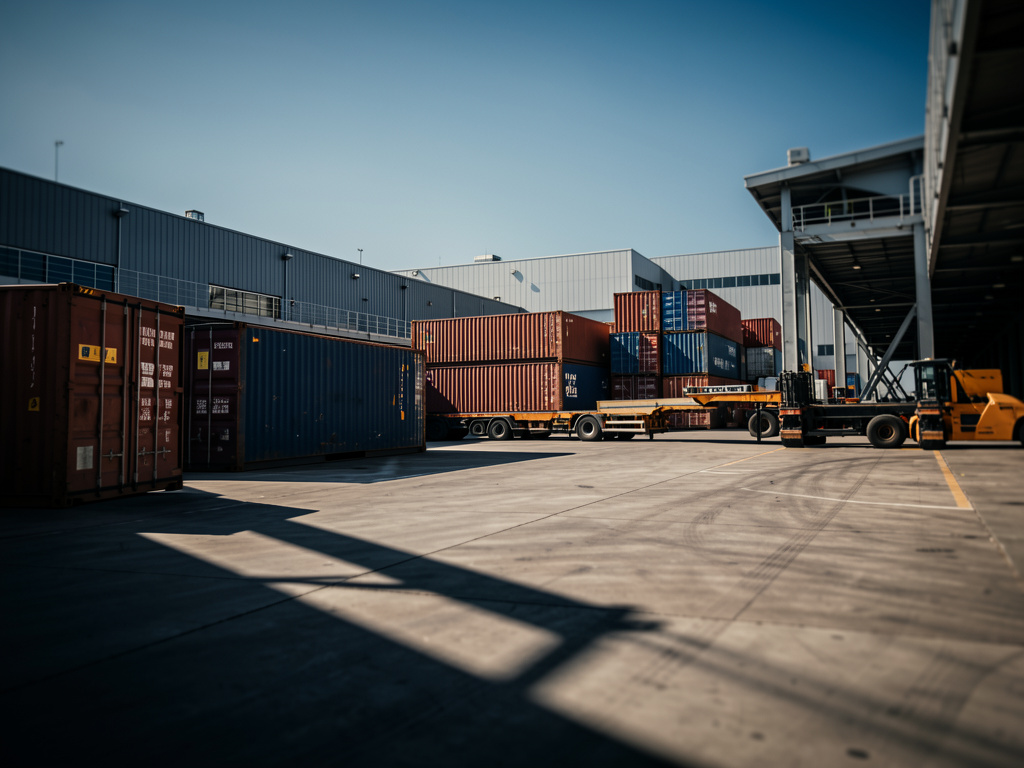
Cargo Delivery from China to Romania
Freight Delivery from China to Romania: Companies, Prices, Timelines, and Logistics Features in Europe
Shipping goods from China to Romania is in high demand among online stores, distributors, manufacturers, construction companies, and entrepreneurs working with Asian suppliers. Romania is strategically located in Southeast Europe: the country has access to the Black Sea through the port of Constanta, a developed road and rail network, and convenient connections with Hungary, Bulgaria, Poland, Germany, and other EU countries.
Organizing transportation along the route China — Romania requires a comprehensive approach. It is necessary to select the appropriate mode of transport, calculate costs, check documents, prepare the cargo for customs clearance in the European Union, and ensure delivery to the final address. The final price depends not only on the weight or volume of the shipment but also on the characteristics of the goods, the route, delivery conditions, type of packaging, the need for consolidation, and documentation requirements.
Main Methods of Freight Delivery from China to Romania
The choice of transport depends on urgency, budget, type of goods, and shipment volume. For regular deliveries, sea, rail, road, and air transport are most commonly used. Multimodal schemes, where cargo is transported using several modes of transport, are also widespread.
Sea Delivery from China to Romania
Sea freight is considered the most cost-effective option for large shipments, heavy goods, and regular commercial deliveries. Typically, containers are dispatched from the ports of Shanghai, Ningbo, Shenzhen, Guangzhou, Qingdao, or Tianjin. The main European arrival point for cargo heading to Romania is the port of Constanta.
After unloading, the container undergoes port procedures, customs clearance, and is then sent by road or rail to the recipient's warehouse. Depending on the chosen route, the cargo may transit through Turkey, Bulgaria, Hungary, or other transit countries.
The advantages of sea freight include:
low cost per kilogram of cargo;
the ability to ship standard or oversized equipment;
transportation of large volumes;
availability of 20 and 40-foot containers;
the possibility of delivering consolidated shipments.
Disadvantages include longer transportation times, dependence on port congestion, weather conditions, and vessel schedules. Sea delivery from China to Romania is usually suitable for companies that can plan shipments in advance.
Rail Transport China — Romania
Rail delivery occupies an intermediate position between sea and air transport. It is faster than sea transport but usually cheaper than air freight. This method is suitable for electronics, auto parts, industrial equipment, clothing, footwear, and other products where timing is important, but urgent air delivery is not necessary.
Rail routes may pass through Central Asian countries, the Caucasus, Turkey, or Eastern European transit hubs. In practice, the scheme depends on the current geopolitical situation, availability of rail capacities, customs restrictions, and transit regulations.
The main advantages of rail transport include:
shorter delivery times compared to sea;
relatively stable schedule;
ability to transport containerized shipments;
less dependence on weather conditions;
convenience for regular commercial deliveries.
However, the cost of rail delivery can vary significantly depending on the season, demand for container capacity, transit tariffs, and the number of transshipments along the route.
Road Delivery in Europe
Road transport is most often used for the final leg of the route — from the European port or logistics terminal to the warehouse in Romania. Additionally, multimodal schemes are possible, with cargo being transported by truck from China through several transit countries.
Road transport is convenient due to its flexible routing and the ability to deliver cargo directly to the recipient's door. There is no need for additional transshipment on the last leg, and the carrier can coordinate the pickup address from the supplier and delivery to the client's warehouse.
Road delivery is particularly effective for:
consolidated cargo;
goods requiring delivery to a specific address;
medium-sized shipments;
deliveries to Bucharest, Cluj-Napoca, Timișoara, Iași, Brașov, and other cities;
cargo arriving through European terminals.
Air Delivery from China to Romania
The airplane is the fastest yet most expensive delivery method. It is chosen for small shipments with high value, urgent samples, components, medical devices, electronics, and goods with a short shelf life.
Air freight is calculated primarily based on actual or volumetric weight — depending on which figure is greater. Therefore, large but lightweight boxes can end up being more expensive than dense cargo of the same actual weight.
Advantages include speed, high frequency of flights, and the ability to quickly replenish stock. The downside is the high cost, especially when shipping heavy or oversized cargo.
Delivery Times from China to Romania
The shipping time depends on the city of departure, final destination, mode of transport, chosen route, number of transshipments, and duration of customs clearance. It is important to consider that the stated time usually includes not only the movement of transport but also the pickup of goods, consolidation, document processing, handling at terminals, and delivery to the warehouse.
Estimated Times by Mode of Transport
Average times may look as follows:
sea freight to the port of Constanta — approximately 30–50 days;
sea transport with delivery to the warehouse — about 40–60 days;
rail delivery — approximately 20–35 days;
road delivery via multimodal route — around 25–45 days;
air freight — about 3–10 days;
express delivery — approximately 2–7 business days.
These values are approximate. For example, shipping from Shanghai may take less time than sending from a remote region of China, where goods first need to be delivered to a port or terminal. Additional days may be required for document checks, inspections, labeling, repackaging, and resolving discrepancies in the invoice.
Factors Affecting Logistics Duration
The speed of delivery is influenced by the following factors:
Holiday periods in China. During the Chinese New Year, public holidays, and seasonal sales, the load on warehouses, ports, and transport lines increases.
Port and terminal congestion. Queues for loading and unloading can extend the overall time by several days or weeks.
Type of cargo. Hazardous, chemical, temperature-sensitive, and oversized goods require additional approvals.
Quality of documents. Errors in product description, HS code, quantity, or value can lead to delays.
Incoterms delivery conditions. Under EXW terms, the buyer organizes the pickup of the cargo, while under FOB, part of the operations is performed by the supplier.
Customs status of the goods. In some cases, additional certification or permits may be required.
Destination. Delivery to Bucharest is usually organized more easily than to a remote settlement.
Therefore, when planning a shipment, it is advisable to allow for extra time. This is especially important for goods that must arrive by a specific date.
Cost of Container Shipping from China to Romania
The cost of container shipping from China to Romania is not fixed. It is formed from several components: sea or rail freight, delivery within China, port fees, transshipment, transit costs, customs clearance, and transportation within Europe.
Price of Sea Containers
For sea delivery, 20-foot and 40-foot containers are used. High Cube containers, which are suitable for bulky cargo, are also available.
The approximate cost structure may include:
transport from the factory to the port in China;
export clearance;
loading of the container;
sea freight;
port and terminal fees;
insurance;
document processing;
delivery from Constanta to the warehouse;
customs representative services;
import duties.
Depending on the season and market conditions, the price of shipping a container from China to Romania can vary significantly. Generally, sea freight for a 20-foot container can range from several thousand euros, while transporting a 40-foot container can range from several thousand to much higher amounts during periods of equipment shortages and increased demand.
It is important to understand that the freight price is not equal to the total cost of delivery. Even an attractive offer for a container may not include port fees, transportation to the warehouse, customs clearance, VAT, and duties.
Cost of a Rail Container
A rail container usually costs more than a sea container but provides a shorter transit time. The price is influenced by:
the route;
the transshipment country;
the availability of a direct connection;
the type of container;
the weight and volume of the cargo;
seasonality;
the cost of transit services;
the need for delivery to the final address.
For an accurate calculation, the logistics company requests the city of departure in China, the delivery address in Romania, a description of the goods, the number of packages, weight, volume, and delivery terms.
Consolidated Cargo and LCL Delivery
If the shipment does not fill the container completely, it is more cost-effective to use LCL consolidated shipping. In this case, the cargo is placed in one container along with shipments from other clients. Payment is usually calculated based on volume, weight, or a conditional freight indicator.
Consolidated shipping is suitable for small shipments, but it has its specifics:
the cargo may pass through several consolidation warehouses;
the number of transshipments increases;
the transit time may be longer than for a full container;
the risk of damage increases with improper packaging;
the final price depends on the rate per cubic meter and additional fees.
To calculate the cost of delivery from China to Romania, it is necessary to request the full rate from the carrier, not just the freight price.
Main Companies and Freight Operators
When organizing the route from China to Romania, one can work with international freight forwarders, shipping lines, rail operators, courier services, and local logistics companies.
International Logistics Companies
Large forwarders typically offer comprehensive services:
pickup of cargo from the supplier;
packaging inspection;
consolidation;
sea, rail, or air transportation;
insurance;
customs clearance;
delivery to the warehouse;
warehouse storage;
labeling and repackaging.
International logistics groups represented in the European market include DHL Global Forwarding, Kuehne+Nagel, DB Schenker, DSV, CEVA Logistics, Expeditors, and other operators. The specific availability of routes, rates, and conditions depend on the type of cargo, city of departure, and existing transport restrictions.
Shipping Lines
For sea delivery, the services of major shipping companies, including Maersk, MSC, CMA CGM, Hapag-Lloyd, COSCO, and others can be used. However, entrepreneurs often interact not directly with the shipping company but with a forwarder who combines sea freight, port operations, document processing, and land delivery.
When choosing a forwarder, it is important to clarify:
does the route include the Port of Constanta;
is delivery to the warehouse provided;
who pays the terminal fees;
is storage included;
who is responsible for customs clearance;
what documents are needed from the client;
is insurance available;
is tracking provided.
Courier and Express Services
For small shipments, DHL Express, UPS, FedEx, and other express carriers may be used. Their services are convenient for samples, documents, and small batches, but for heavy commercial cargo, the rates often turn out to be unprofitable.
Before shipping, it is important to clarify the import rules for specific goods into Romania. Even if the carrier offers "door-to-door" delivery, the importer may be responsible for providing the necessary documents, paying VAT, duties, and confirming the product's destination.
European Union Customs for Imports from China
Romania is a member state of the European Union, so the import of goods from China is carried out according to EU customs legislation. This means that the goods must be properly classified, declared, and provided with the necessary documents.
What Documents Are Needed for Customs Clearance
The standard document package usually includes:
commercial invoice;
packing list;
transportation bill;
contract or order;
certificate of origin, if required;
description of the goods;
HS code;
information about the manufacturer;
compliance documents;
permits and licenses for specific categories;
payment confirmation;
importer data.
The list may change depending on the nature of the product. Additional requirements apply to electronics, toys, cosmetics, medical devices, food products, chemical products, and equipment.
EORI and Importer Status
To conduct foreign trade operations in the EU, companies typically require an EORI number. It is used to identify the importer in customs procedures. Without correct registration data, the clearance process may be suspended.
The importer must also understand who the declarant is and who is responsible for the accuracy of the information. If a customs representative submits a declaration on behalf of the client, it is necessary to agree in advance on the powers, documents, and payment procedures.
Customs Value and Import Payments
The customs value may include not only the price of the goods on the invoice but also shipping costs, insurance, and other expenses up to the point of entry into the EU. The duty is calculated based on the customs value if it is applicable to the specific product category.
In addition to the duty, VAT is usually paid when importing into Romania. The standard VAT rate in Romania may change according to legislation, so it is essential to clarify the current rules with a customs broker or tax consultant before shipment.
The final payments depend on:
product code;
country of origin;
customs value;
applicable duty rate;
VAT rate;
availability of preferences;
need for excise;
special protective measures.
HS Codes, Certification, and Compliance with EU Requirements
One of the most responsible tasks is the correct classification of products. The HS code affects the amount of duty, the list of required documents, and labeling requirements.
Why You Shouldn't Use a General Code
An incorrect code can lead to:
additional customs charges;
release delays;
requests for additional documents;
administrative fines;
the need for expertise;
problems during subsequent inspections.
The product description must be accurate. It is not enough to write "equipment," "accessories," or "electronics." You need to specify the purpose, material, operating principle, model, technical specifications, and other parameters that affect classification.
CE Marking and Compliance Documents
For many products sold in the EU market, confirmation of compliance with European standards is required. Depending on the product category, the following may be needed:
EU declaration of conformity;
certificate of conformity;
technical file;
test protocols;
instructions in Romanian;
CE marking;
information about the manufacturer and importer;
documents on safety and electromagnetic compatibility.
The presence of the CE logo on a product does not always mean that the product complies with the requirements. The importer is obliged to check the documents and ensure that the product can be legally sold in the EU.
Incoterms Conditions When Sourcing from China
Delivery terms determine who pays for transportation, insurance, export clearance, and who is responsible for risks at different stages of the route.
EXW
Under EXW, the buyer picks up the goods directly from the seller's premises. They independently organize loading, domestic delivery within China, export clearance, and international transportation. This condition may be cost-effective for the product price but requires serious logistical coordination.
FOB
Under FOB, the supplier delivers the cargo to the port, completes export procedures, and hands over the goods on board the vessel. After this, the main costs and risks transfer to the buyer. FOB is often used for sea transport, but it is important to determine the port and the list of included services in advance.
CIF
Under CIF, the seller pays for sea freight and insurance up to the specified port. However, import clearance, unloading, delivery from the port, and taxes usually remain the buyer's responsibility.
DAP and DDP
Under DAP, the seller or freight forwarder organizes delivery to the specified location, but import payments are generally paid by the recipient. Under DDP, the seller assumes the broadest range of responsibilities, including import clearance and payments.
DDP terms may seem convenient, but it is essential to ensure that the scheme fully complies with EU legislation. Accepting goods under a "grey" scheme, where the actual importer does not understand who is listed in the documents, how taxes are calculated, and who is responsible for the compliance of the goods, is not acceptable.
How to Choose a Logistics Company for Delivery to Romania
The reliability of the carrier affects not only the cost but also the safety of the goods, adherence to deadlines, and the absence of customs issues.
What to Pay Attention To
Before signing a contract, it is advisable to check:
the legal status of the company;
experience with the China – Romania route;
the presence of offices or partners in China and the EU;
customer reviews;
transparency of the tariff;
list of included expenses;
availability of insurance;
tracking capabilities;
terms of liability for delays and damages;
qualifications of the customs broker;
availability of consolidation warehouses;
claims settlement procedures.
Caution is required when choosing offers with excessively low prices. Often, terminal fees, delivery across Europe, brokerage services, VAT, insurance, storage, or document processing are not included. As a result, the final cost turns out to be significantly higher than stated.
What Information to Provide for a Quote
To obtain an accurate commercial proposal, you need to prepare:
the city and address of the supplier in China;
the delivery city in Romania;
description of the goods;
HS code, if known;
number of packages;
dimensions of the boxes;
total weight;
volume;
value of the shipment;
type of packaging;
presence of hazardous or special characteristics;
desired delivery time;
Incoterms conditions.
The more detailed the initial data, the more accurate the calculation will be. If only the weight and name of the product are provided, the carrier can only give a preliminary estimate.
How to Reduce Shipping Costs from China to Romania
Logistics optimization begins even before placing an order with the supplier.
Practical Ways to Save
Consolidation of shipments. Several small shipments can be combined at a warehouse in China.
Proper packaging. Reducing empty space lowers dimensional weight and transportation costs.
Planning ahead. Urgent delivery almost always costs more.
Comparing routes. Sometimes it is more cost-effective to send the cargo to Constanta, and other times through another European terminal.
Using LCL. For small shipments, there is no need to pay for a full container.
Switching to FCL. If the volume is close to the container's capacity, a full container may be more economical than groupage shipping.
Checking documents before shipment. Errors cause delays, storage, and additional costs.
Choosing the right Incoterms. Delivery terms should reflect the actual cost structure.
Cargo insurance. It does not reduce the rate but protects against significant financial losses.
Long-term contract with the carrier. For regular shipments, more stable conditions can be obtained.
Saving should not be based on avoiding customs clearance or concealing the actual value of the goods. Such actions can lead to fines, confiscation of cargo, and a ban on further imports.
Cargo Insurance from China to Romania
Even with reliable packaging, cargo can be damaged during loading, sea transit, transshipment, or delivery across Europe. This is especially relevant for glass products, equipment, furniture, electronics, and high-value items.
An insurance policy can cover:
damage;
loss;
theft;
accidents;
wetting;
natural disasters;
specific risks during transshipment.
Before obtaining insurance, it is necessary to review the exclusions. Some policies do not cover inadequate packaging, natural properties of the goods, delivery delays, temperature violations, or incorrect cargo descriptions.
Common Mistakes When Importing from China to Romania
Entrepreneurs often evaluate only the product price and shipping rate, overlooking additional costs. As a result, the final cost turns out to be higher than planned.
The most common mistakes include:
lack of supplier verification;
incorrect HS code;
incomplete product description;
absence of certificates;
ordering products without checking samples;
incorrect packaging dimensions;
ignoring volumetric weight;
lack of insurance;
calculating only based on sea freight costs;
absence of time reserves;
choosing inappropriate Incoterms;
delivering products without the right to sell in the EU;
entrusting customs clearance to an unverified intermediary.
To reduce risks, it is advisable to involve a logistics and customs specialist in advance. Document verification before shipment is usually cheaper than correcting mistakes after the cargo arrives in Europe.
Shipping goods from China to Romania requires careful selection of the route, transport, and logistics partner. Sea freight remains the most cost-effective for large shipments and containers, rail is suitable for expedited commercial deliveries, road transport provides flexible delivery to the warehouse, and air freight is used for urgent and high-value goods.
The cost of a container from China to Romania depends on freight, departure port, season, container type, terminal fees, inland delivery, customs services, and taxes. Therefore, when comparing offers, it is essential to analyze not only the advertised price but also the complete list of expenses.
As an EU country, Romania imposes strict requirements on imports from China. Goods must have the correct HS code, verified value, a complete set of documents, and comply with European safety standards. Before transportation begins, it is crucial to check certification, labeling, EORI number, Incoterms conditions, and the procedure for VAT and duty payment.
Well-organized logistics from China to Romania allows for reduced timelines, cost control, and minimized risk of customs delays. The optimal strategy is tailored individually, taking into account the characteristics of the cargo, shipment volume, budget, and time requirements.